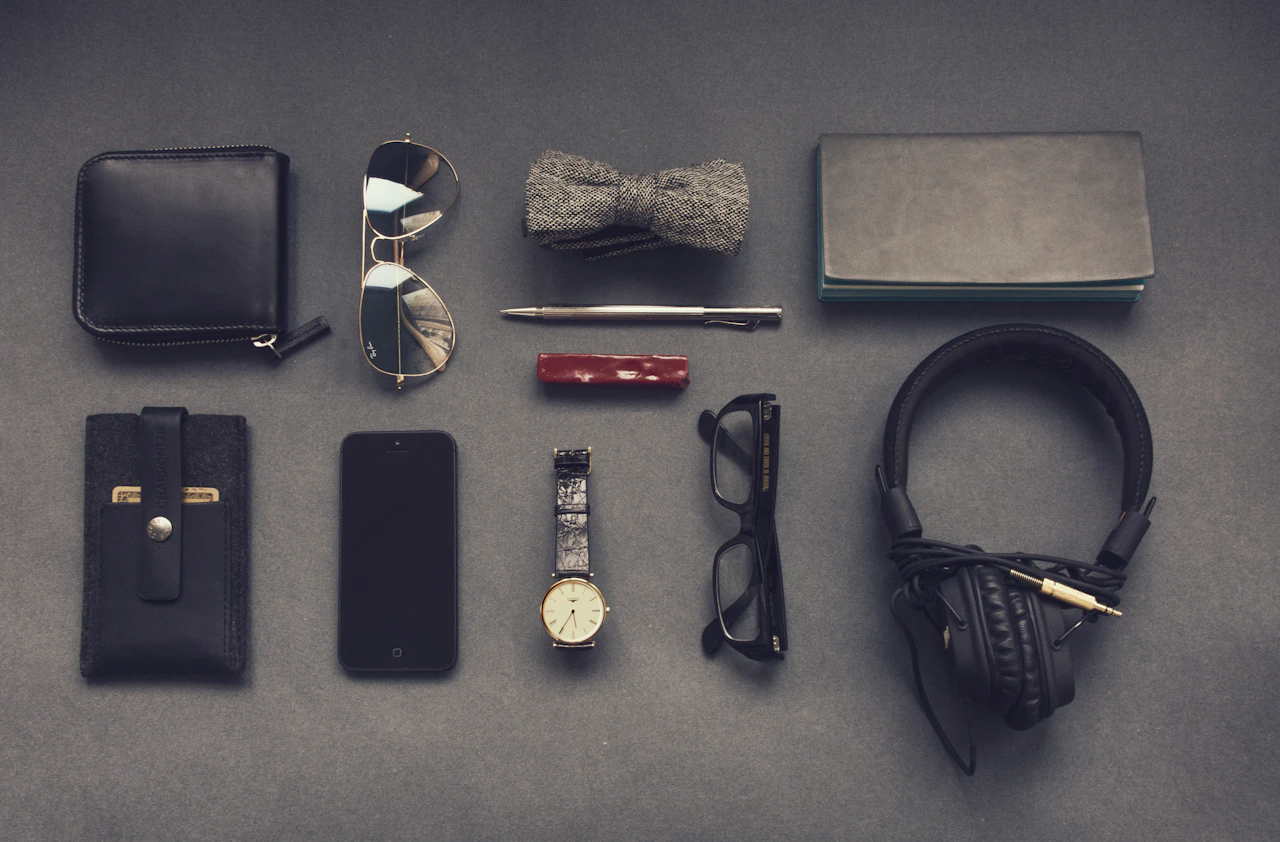
In the world of personalized fashion, the subtle power of tailored accessories often goes underestimated. Accessories are not mere add-ons; they are essential elements that pull an outfit together, bringing harmony, balance, and an unmistakable aura of intentional style. This comprehensive guide explores how bespoke accessories elevate your wardrobe styling by complementing custom pieces and enhancing your tailored style to perfection.
1. Understanding Tailored Accessories and Their Importance
1.1 Defining Tailored Accessories
Tailored accessories refer to fashion items crafted or customized to coordinate exquisitely with bespoke garments. Unlike mass-produced pieces, these accessories are designed with a deep understanding of fit, fabric, functionality, and personal taste. Examples include custom cufflinks, hand-stitched belts, personalized ties, pocket squares made from your suit fabric, and even bespoke hats or bags. Incorporating these pieces ensures seamless integration and an elevated overall appearance.
1.2 Why Accessories Matter in Bespoke Tailoring
One hallmark of bespoke tailoring is attention to detail. Accessories act as an extension of this ethos, refining and completing the outfit. They offer opportunities to express personality, highlight craftsmanship, and ensure your ensemble feels unique and intentional. Without thoughtfully chosen accessories, even the most expertly tailored garment can appear unfinished or generic.
1.3 Psychology Behind Accessorizing
Accessories contribute to first impressions, conveying confidence and meticulousness. Studies on nonverbal communication show that well-accessorized individuals are perceived as more authoritative and stylish. They command attention subtly but effectively, enhancing your presence in professional and social settings alike.
2. Key Types of Tailored Accessories and Their Roles
2.1 Customized Neckwear: Ties, Bowties, and Scarves
Neckwear is a cornerstone accessory that can anchor your look. A bespoke tie crafted from complementary fabric offers harmony with your shirt and suit, preventing clashes and creating a cohesive style story. Bowties, when tailored, provide unique flair for formal events, while scarves add texture and warmth with an artisanal touch.
2.2 Handcrafted Leather Accessories: Belts and Shoes
Matching your leather belt with shoes in texture, shade, and finish is essential in a polished look. Tailored leather accessories are constructed from premium hides, often hand-stitched for durability and aesthetic refinement. Such attention to detail prevents the common pitfalls of mismatched tones and ill-fitting belts, elevating comfort and style simultaneously.
2.3 Elegant Wristwear: Watches and Cufflinks
Wristwear carries subtle weight in wardrobe styling. A tailored watch strap crafted from bespoke leather or exotic skins integrates the timepiece smoothly with your outfit. Personalized cufflinks, engraved or handcrafted, echo the uniqueness of a custom shirt. These items are conversation starters and silent affirmations of your sartorial devotion.
2.4 Pocket Squares and Lapel Pins
These accessories offer playful yet tasteful opportunities to insert color, pattern, and texture. Bespoke pocket squares crafted from silks or linens that coordinate perfectly with your jacket fabric create visual interest, while lapel pins can reflect personal affiliations or aesthetic preferences.
3. How Tailored Accessories Complement Your Bespoke Wardrobe
3.1 Enhancing Fabric Quality and Color Palette
Custom garments often incorporate superior fabrics that catch the eye and feel luxurious. Tailored accessories made from matching or harmonizing materials amplify these qualities. For example, a tie in the same wool as a suit or leather details matching your jacket trim create an integrated look that off-the-rack alternatives cannot imitate.
3.2 Balancing Fit and Proportion
Accessories should never overpower bespoke pieces but rather enhance their sleek lines and proportions. Properly sized belts, slender or wide ties based on body shape, and cufflinks sized appropriately for shirt cuff thickness ensure visual balance and harmony across all garment elements.
3.3 Creating Signature Looks
Personalized accessories enable you to develop a recognizable style signature. Incorporating details like monogrammed cufflinks, unique handmade tie bars, or custom-engraved watch faces distinguish your style narrative and communicate sophistication.
4. Selecting Bespoke Accessories: Practical Considerations
4.1 Determining Your Lifestyle Needs
Consider your regular occasions—from business meetings to informal events—when deciding which accessories to invest in. For frequent formal wearers, elegant cufflinks and silk ties are essential, whereas daily professionals might prioritize stylish yet durable belts and watches.
4.2 Material and Craftsmanship Quality
Prioritize natural materials such as fine leather, authentic silk, and precious metals to ensure longevity and appearance. Handcrafted accessories often carry superior quality compared to mass production, justifying their higher initial cost.
4.3 Versatility vs. Statement Pieces
Balance classic, versatile pieces with bold, statement accessories to maximize your wardrobe's potential. For example, a neutral leather belt pairs well with multiple outfits, while a brightly patterned tie adds a pop of excitement when desired.
5. Investing Wisely: Pricing and Value of Tailored Accessories
While custom accessories require higher upfront investment compared to mass-market options, they deliver superior fit, durability, and style longevity. For an insightful look at pricing factors within bespoke garment services, see our detailed resource on bespoke tailoring pricing.
6. The Tailoring Process for Bespoke Accessories
6.1 Consultation and Design
Initial consultations with accessory artisans involve discussing your style preferences, intended occasions, material choices, and budget constraints. This process ensures the finished piece aligns perfectly with your wardrobe and personality.
6.2 Measurements and Material Selection
Accurate measurements are fundamental—for belts, wrist sizes; for gloves, hand circumference; for hats, head circumference. Selecting textiles and leathers follows, ideally coordinating with your existing bespoke garments.
6.3 Crafting and Finishing Touches
Experienced artisans handcraft the pieces, incorporating finishing details like personalized engravings or monograms. The process prioritizes quality control to meet bespoke standards.
7. Styling Tips: Integrating Tailored Accessories into Your Wardrobe
7.1 Match but Don’t Mimic
Coordinate accessory colors and textures with your main garments, but avoid exact replicas that can appear overly matched. A subtle contrast often enhances interest.
7.2 Layering Accessories Thoughtfully
Use accessories in deliberate layering—e.g., a watch and matching leather bracelet or a tie with coordinated pocket square—to convey depth and sophistication.
7.3 Adapt to Occasion and Season
Choose lighter fabrics like linen or cotton for summer, and richer wools and leathers for winter accessories. For formal events, prioritize subtle elegance over flashy accessories.
8. Caring for Your Bespoke Accessories to Ensure Longevity
8.1 Cleaning and Maintenance
Follow manufacturer and artisan care instructions. For leather belts, use natural conditioners and avoid moisture. Silk ties should be dry-cleaned carefully to preserve fabric integrity.
8.2 Storage Solutions
Store belts on racks to maintain shape, keep cufflinks in padded boxes, and hang scarves rather than folding to prevent creasing.
8.3 Regular Inspection and Repairs
Periodically inspect accessories for wear and tear. Engage a professional tailor or cobbler for repairs to sustain their appearance and function.
9. Comparative Table: Bespoke Accessories vs. Off-the-Rack Alternatives
| Attribute | Bespoke Accessories | Off-the-Rack Accessories |
|---|---|---|
| Fit and Proportion | Tailored to exact measurements and body type | Standardized sizes, may require adjustments |
| Material Quality | Premium, natural materials hand-selected | Mass-produced, often synthetic blends |
| Uniqueness | Custom designs reflecting personal style | Widely available, less distinctive |
| Durability | Handcrafted for longevity | Varies; often less durable |
| Cost | Higher initial investment | Generally affordable but may lack quality |
Pro Tip: Invest in versatile bespoke accessories first to build a foundation, then layer with seasonal or statement pieces for variety.
10. Trusting Your Tailor: Finding Quality Bespoke Accessory Makers
Securing reliable artisans is vital. Our guide on hiring a tailor shares expert tips to identify skilled craftsmen with proven quality and transparent processes, ensuring your accessories match your bespoke garment standards.
11. Booking and Ordering Your Bespoke Accessories
Booking consultations and ordering processes are streamlined at reputable ateliers. Our easy-to-use booking platform facilitates selecting accessories alongside your custom garments, offering timelines and pricing upfront for clarity.
12. Final Thoughts: Elevate Your Wardrobe with Purposeful Accessories
A wardrobe without tailored accessories is like a canvas missing color. By integrating bespoke pieces thoughtfully, you create a style that is more than appearance—it’s an expression of craftsmanship, intention, and unique identity. Dive deeper into our style inspiration and outfit guides to see how accessories transform looks from ordinary to exceptional.
Frequently Asked Questions
- What makes tailored accessories different from regular accessories?
Tailored accessories are custom-made to your specifications, ensuring perfect fit, fabric matching, and personalized design details aligned with your bespoke garments. - Can I have accessories made from the same fabric as my suit?
Yes, many tailors offer options to create ties, pocket squares, or even bags from your suit fabric, creating a seamless and cohesive look. - How should I care for leather accessories?
Use leather conditioners regularly, avoid water exposure, and store belts and shoes properly to maintain shape and durability. - Are bespoke accessories more expensive?
The initial cost is higher due to craftsmanship and materials, but their longevity and style payoff justify the investment. - Where can I find trustworthy bespoke accessory makers?
Start by consulting your tailor or exploring trusted local ateliers specializing in handcrafted belts, cufflinks, and other accessories. Our local directories can help locate reputable artisans near you.
Related Reading
- Fabrics Materials and Care - Learn how fabric selection impacts your garment’s look and lifespan.
- Alterations and Fit Guides - Master the art of perfect fit with alteration tips and measurement tutorials.
- Bespoke Tailoring Process Explained - Understand every step involved in creating your custom outfits.
- Style Inspiration and Outfit Guides - Transform your look with expert outfit-building advice.
- How to Hire a Tailor - Find the perfect professional to craft your personalized wardrobe pieces.


