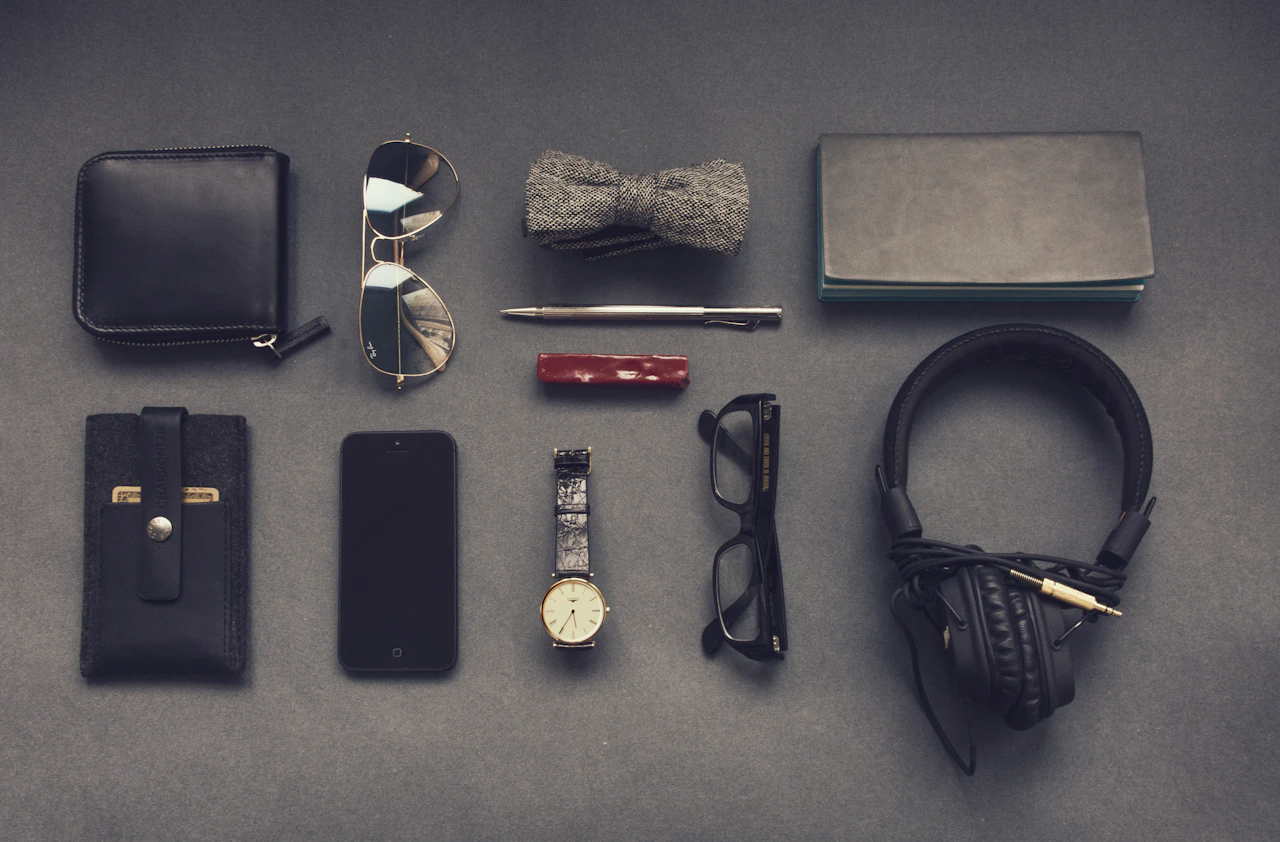
As bespoke suits evolve through 2026, the accessories you pair with them determine whether a tailored outfit feels timeless, contemporary, or dated. This comprehensive guide forecasts essential accessory trends for the near future and gives practical, step-by-step strategies to integrate custom pieces with your bespoke wardrobe. For a primer on the messaging clothes convey, see Dress for Success: The Messaging Behind Your Outfit, and to align looks for digital-first situations, review Style That Speaks: How to Dress for Online Engagement and Influence.
1. Forecast Overview: What 2026 Means for Bespoke Styling
Macro drivers shaping accessory trends
By 2026, accessories will be driven by three clear forces: personalization at scale, sustainability in materials and processes, and the continuity between real-life tailoring and digital presentation. Consumers want accessories that tell a personal story while meeting higher environmental standards. For context on how ecosystems shape product strategy, you can compare tech-driven personalization discussions like The Apple Ecosystem in 2026 to fashion's own platformization.
Micro trends to watch
Expect hybrid functional-luxury pieces (think smart cufflinks), visible craft details, and modular accessories that mix and match. The rise of wearable recovery and wellness tech highlights cross-category opportunities — see parallels in wellness wearables at Tech-Savvy Wellness. These micro trends inform how accessories should be designed for tailored outfits: minimal, meaningful, and often with a tech or wellness layer.
How this forecast informs buying decisions
Buyers should prioritize customizability, material transparency, and multi-functionality. As outerwear shoppers learn to evaluate construction, use the same rubric for accessories: see our guidance on evaluating structure in outerwear at Smart Buying: Anatomy of Quality Outerwear but applied to leather, metals, and textiles used in accessory making.
2. Why Accessories Matter for Bespoke Suits
Accessories as narrative devices
Every accessory—pocket square, lapel pin, belt, shoe—speaks. A bespoke suit is a blank canvas; accessories decide whether the message is executive, creative, or avant-garde. For a fresh perspective on how fashion crafts moments, consider how stage outfits influence perception as discussed in Behind the Ropes: Fashion Statements in Intimate Settings.
Functional benefits beyond aesthetics
Accessories can improve comfort, fit, and practicality. Custom shoe lasts and belts adjust proportions; smart accessories add utility (notifications, NFC, fitness tracking) while remaining elegant. For a similar convergence of comfort and function in audio, see The Future of Amp-Hearables.
Economic value and longevity
Well-chosen custom accessories extend the perceived life of a suit by enabling multiple looks. Investing in craftsmanship and repairability mirrors ideas in building resilient operations—learn how thoughtful planning reduces downtime at Navigating Outages.
3. The 2026 Accessory Categories You Need
Pocket squares and lapel treatments
Pocket squares shift from bright pattern statements to textured, hand-finished canvases—linen-silk blends, hand-rolled hems, embroidered initials. Lapel treatments trend toward micro-sculptural pins and artisan-enamel pieces. For inspiration on creating viral fashion moments with bold costume decisions, see Fashioning a Viral Moment.
Cufflinks, collar bars, and detachable details
Modular metalwork becomes key. Cufflinks that house small NFC tags, collar bars with magnetic removable parts, and detachable shirt plackets for travel are rising. These pieces should be ordered alongside shirts for perfect proportioning. The interplay of jewelry and sport style is explored in Winning Styles: Jewelry Inspirations, useful for translating bold cues into wearable tailoring details.
Belts, braces, and waist refinements
Belts will move toward slimmer silhouettes with interchangeable buckles; braces return as a statement-meets-function piece, especially in tailored cuts. Materials will feature vegetable-tanned leathers and low-impact synthetics—fabrics and price planning context can be found in Understanding Cotton Prices, which helps frame material cost decisions across categories.
4. Footwear and Bags: The Foundation of Outfit Coordination
Shoes that match the suit's architecture
2026 shoe trends emphasize sole-tech (lightweight, shock-absorbing), bespoke lasts for comfort, and visible handmade details. For buyers, evaluating construction and materials is vital—apply the same inspection mindset you would when shopping for quality outerwear: Anatomy of Quality Outerwear. That discipline broadens to shoe purchases.
Bags that bridge professional and casual
Messenger-to-brief designs with structured interiors and removable pouches will dominate. Look for tailored lines that echo suit fabrics or leather tones. For buying deals and eco-focused options, check pre-order savings for eco gear at Eco-Friendly Savings, which highlights demand signals for sustainable products.
Integrating hardware as design language
Bag and shoe hardware will echo metal tones used in watch cases and cufflinks: warm brushed gold, satin nickel, or black PVD. This metal coherence is one of the simplest ways to coordinate accessories across a bespoke ensemble to achieve a cohesive look.
5. Jewelry, Watches, and Tech-Forward Wearables
Minimal jewelry with meaningful details
Neck chains, rings, and bracelets will trend toward discreet craftsmanship and story-driven materials—recycled metals, lab-grown gems, and heirloom components. Cross-category inspiration on blending utility and aesthetics can be found in wearable wellness discussions at Tech-Savvy Wellness.
Watches as personalization hubs
Mechanical watches remain status anchors, while smartwatches adapt bespoke straps and case finishes to pair with suiting. Custom strap makers will provide matching strap leathers and stitch colors, making watch integration an intentional decision rather than an afterthought. Read about how comfort and function guide device design in The Future of Amp-Hearables.
Smart cufflinks and discreet tech
Expect NFC-enabled cufflinks, lapel trackers, and minimalist devices that provide discrete notifications or health data. These should be coordinated with suit linings and pockets to avoid bulk and preserve silhouette. The broader tech-personalization landscape is explored in The Future of Email, offering lessons on subtle, integrated tech in everyday tools.
6. Materials and Sustainability: Choosing the Right Custom Inputs
Sustainable leathers and low-impact metals
Vegetable-tanned leathers, certified recycled metals, and traceable supply chains will define premium accessories. Ask for supplier certificates and provenance statements. If you want to understand how commodity pricing affects material choices, reference Understanding Cotton Prices as a model for transparent material economics.
Textiles: blends that perform
Linings, pocket squares, and scarves will use blends—silk-linen, silk-Tencel, merino blends—optimized for drape, breathability, and print fidelity. Custom textile mills will offer small-batch prints, letting you match suit linings to pocket square motifs for a unified look.
Repairability and lifecycle thinking
Buy with repair in mind: choose accessories that can be re-lined, re-plated, or re-soled. Brands and tailors that offer repair services add value equivalent to a lower lifetime cost. This model echoes efficient operations ideals like those highlighted in business resilience pieces such as Navigating Outages.
7. How to Integrate Accessories with Suit Construction
Proportions and harmony
Accessories should respect the suit’s lapel width, shoulder line, and break length. A wide lapel pairs with a broader knot tie and a larger watch face; narrow lapels suit minimalist hardware. For actionable measurement thinking, see our advice on preparing personal narratives and presence in The Power of Personal Narratives, which can be translated into visual story choices.
Color and tonal palettes
Coordinate metals and leathers across shoes, belts, and watchcases. If a suit’s palette is neutral, use accessories to introduce a single accent hue; if the suit is patterned, stick to tonal accessories for balance. For inspiration on pairing global tastes and foods with textiles, review cross-cultural pairing approaches at A Taste of the World—the same logic of pairing applies to color and material combinations.
Functional placement and pocket engineering
Tailors will increasingly alter pocket shapes and depths to accommodate modern accessories (e.g., phone slips, wallet pockets, tech pouches). Collaborate with your tailor to design pockets that protect device silhouettes while preserving the suit drape.
8. Ordering Custom Accessories: Measurement, Fit, and Workflow
Measurement checklist
Collect clear measurements for cufflink fit (cuff thickness), watch lug width, belt waist and number of holes, shoe last dimensions, and bag strap drop. Request a template or sample when ordering custom pieces. If you’re scaling these processes, think of how AI streamlines measurement workflows in other fields—see AI Search Engines for process automation parallels.
Sampling and prototyping
Always request one prototype for new custom designs, especially for items with integrated tech or unusual hardware. Small changes in scale or weight can affect silhouette; prototypes prevent costly returns and ensure perfect pairing.
Turnaround, pricing, and transparency
Negotiate clear timelines and ask for material breakdowns. Many bespoke accessory makers now provide tiered pricing for standard vs. premium materials. For benchmarking turnaround and preorder strategies, review examples in product pre-order trends like Eco-Friendly Savings & Pre-Orders.
9. Case Studies: Real-World Integration Examples
Case 1 — The Executive Reboot
A CFO commissioned a charcoal double-breasted suit with a matte-burnished gold watch, slim English cap-toe shoes, a leather brief with removable inner pouch, and simple enamel cufflinks. The coordinated metal finishes elevated the suit without overt flash. The bag and outerwear choices mirrored the suit’s structure—use our outerwear evaluation techniques from Anatomy of Quality Outerwear to select complementary coats.
Case 2 — The Creative Director
A creative director layered a wool suit with a textured silk-linen pocket square, visible artisan lapel pin, custom loafers with statement stitching, and a detachable scarf with a contrasting lining. The look balanced statement elements with restrained jewelry—an approach similar to how intimate concert fashion makes deliberate, impactful choices: Behind the Private Concert.
Case 3 — Tech Entrepreneur
Integrating smart cufflinks that pair with a phone and a discreet wellness tracker hidden in the watchband, this client prioritized utility without disrupting tailoring lines. This mirrors broader trends where comfort meets tech utility—see wearable tech references in Amp-Hearables and wellness integrations at Tech-Savvy Wellness.
10. Sourcing, Makers, and Supply Chain Recommendations
Finding credible makers
Look for artisans with clear portfolios, repair guarantees, and documented sourcing. Marketplace reputation matters; evaluate reviews and case photos. For context on building trust through transparency in other industries, read Building Trust Through Transparency.
Balancing cost and craft
Custom accessories range widely in price. Balance small-batch craft pieces with more affordable standard items. Consider pre-ordering or collaborating on early runs to lower per-piece cost—see how preorder strategies work in other product categories at Eco-Friendly Savings.
Partnering with your tailor
Integrate accessory planning into your tailoring appointments. Ask your tailor for makers’ referrals and for adjustments to suit pockets and linings that facilitate accessory use. Tailors who collaborate with accessory makers deliver cohesive outcomes faster and with fewer compromises.
Pro Tip: When ordering accessories, include one neutral spare (leather, metal tone) so you have a fallback piece that works with multiple suits. This simple step reduces outfit friction and improves outfit longevity.
11. Maintenance, Care, and Repair
Daily care and storage
Store belts flat, breathe jewelry in fabric pouches, and rotate watches to preserve straps. For textile pieces like pocket squares and scarves, prefer silk-safe detergents and flat drying. These techniques increase lifespan and keep pieces looking bespoke for longer.
Repair networks and warranties
Choose accessory makers who offer repair or re-plating. A first-year warranty should cover construction defects; ask about lifetime repair policies for leather and metalwork. Repair-first purchasing mirrors resilient business practices seen across durable-goods industries.
When to refurbish versus replace
Refurbish if the structure is intact and only surface finishes are worn. Replace when the piece loses functional integrity. This economic decision mirrors product lifecycle considerations in other fields, where repairability significantly affects total cost of ownership.
12. Pricing, Turnaround, and How to Budget for a 2026 Accessory Wardrobe
Typical price bands
Expect to pay within these ranges (values are indicative): hand-finished pocket square $40–$150; custom cufflinks $150–$600; bespoke belts $150–$450; custom shoes $600–$2,000; modular bags $250–$1,200. Use these bands to prioritize investment—prioritize shoes, then belts/bags, then jewelry.
Turnaround planning
Allow 4–12 weeks for bespoke accessories, longer for prototypes or integrated tech. Coordinate accessory lead-times with suit delivery to avoid mismatched timelines. Transparent makers will give staged milestones: sample, approval, production, delivery.
Budgeting across seasons and events
Plan purchases around needs: invest in durable staples first and seasonal statement pieces later. For travel and event planning advice that pairs with wardrobe needs, consult travel guides like The Ultimate 2026 Adventure and lodging choices at Healing Retreats when planning destination wardrobes.
Accessory Comparison: 2026 Trend Table
| Accessory | 2026 Trend | Customization Options | Price Range | Integration Tip |
|---|---|---|---|---|
| Pocket Square | Textured silk-linen blends, hand-rolled hems | Monogram, edge color, custom print | $40–$150 | Match lining tone or introduce single accent hue |
| Cufflinks | NFC-enabled, artisan metals | Metal finish, stone inlay, embedded tech | $150–$600 | Coordinate metal tone with watch and belt hardware |
| Belt | Interchangeable buckles, thin silhouettes | Leather type, buckle finish, hole spacing | $150–$450 | Measure waist over trousers for accurate hole placement |
| Shoes | Lightweight soles, visible hand stitching | Last fit, leather type, stitch color | $600–$2,000 | Order with suit fitting to align toe and break |
| Watch/Strap | Custom straps & case finishes | Strap leather, lug width, custom engraving | $200–$5,000+ | Match strap tone to shoes and belt for cohesion |
FAQ
Q1: How many accessories should I buy per suit?
A: Start with three: shoes, a belt, and one small jewelry piece (watch or cufflinks). As your budget allows, add a bag and two pocket squares. This ensures immediate versatility while keeping cost reasonable.
Q2: Are smart accessories appropriate for formal events?
A: Yes—if they remain discreet and prioritize silhouette. Choose minimal finishes and hide bulk in linings or pockets. Smart functionality should not call attention at formal events.
Q3: Can I mix metals across accessories?
A: Minimal mixing is fine—use a dominant metal, then introduce one complementary accent. Too many metal tones can fragment the outfit. If in doubt, match watchcase to cufflinks for immediate cohesion.
Q4: How do I select sustainable materials?
A: Ask for certifications, recycled metal content, or tannery details. Prioritize makers who can show traceable supply chains and repair options. Sustainable doesn't have to mean aesthetic compromise—many recycled finishes look premium.
Q5: What's the best way to coordinate accessories for travel?
A: Choose modular pieces (interchangeable straps, collapsible bags), pack neutral spares, and request protective cases. Plan outfits around a limited palette so one set of accessories serves multiple looks; travel checklists and duffel packing tips can guide choices—see our travel packing advice at Pack Your Duffle.
Conclusion: Designing a Future-Ready Accessory Strategy
2026 favors accessories that combine craft, sustainability, and subtle tech. When integrating custom pieces with bespoke suits, prioritize proportional harmony, coherent materials, and repairable construction. Partner with tailors and makers early in the process, prototype thoughtfully, and budget for long-term value. For a practical approach to telling the right visual story with clothing, revisit Dress for Success and for digital presentation nuances, see Style That Speaks.
If you are building a bespoke accessory wardrobe this year, start by auditing what you already own, picking one investment piece, and planning two complementary accents. Over time, your curated set will allow you to adapt to trends while staying unmistakably you.
Related Reading
- Crafting the Ultimate Setlist: BTS and Beyond - How bold staging and outfits create memorable moments.
- Financial Strategies for Senior Living - Planning budgets and timelines for long-term purchases.
- Sounding the Alarm: How to Implement Notification Systems - Lessons for discreet tech notifications in wearables.
- TikTok's Split: Implications for Content Creators - Social dynamics that influence fashion moments online.
- Apple vs. AI: How the Tech Giant Might Shape Content Creation - Tech forces shaping personalization trends.


