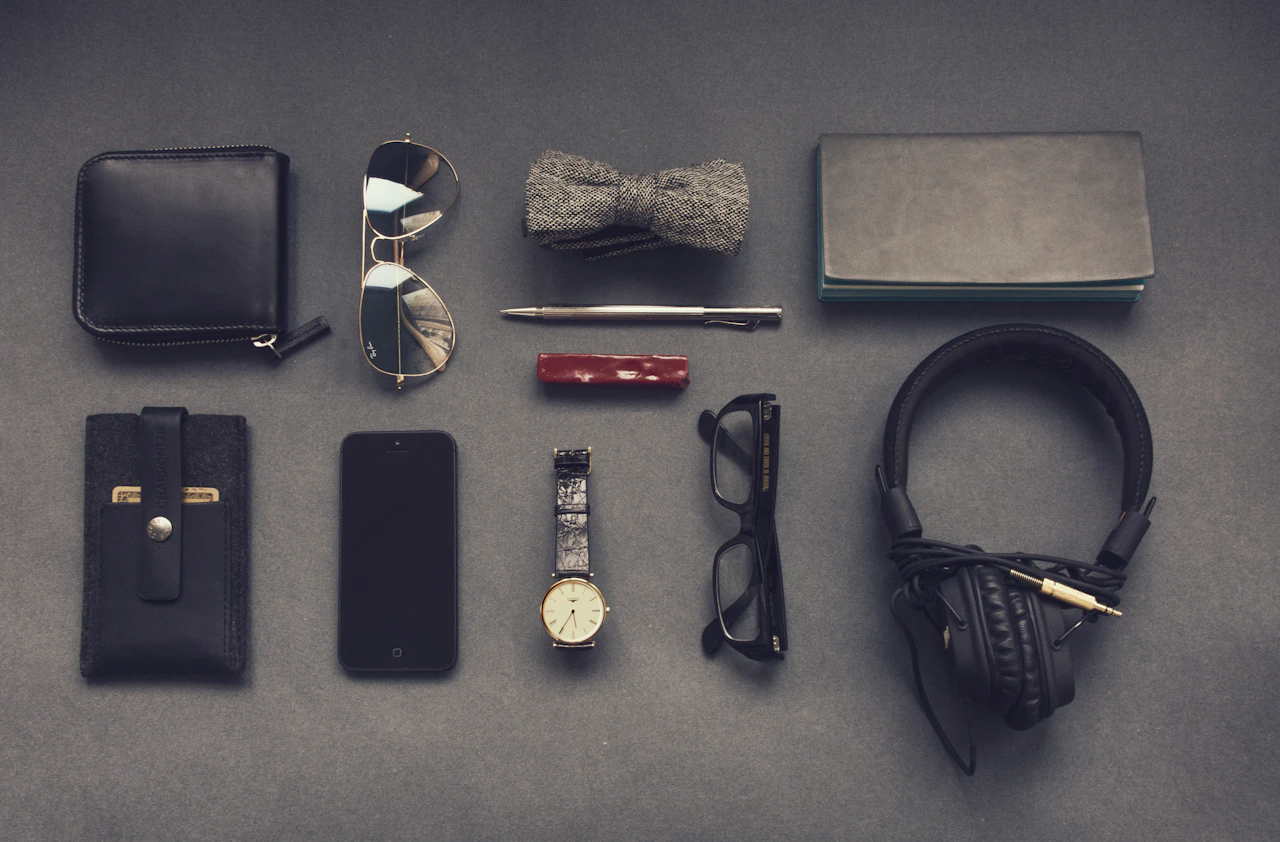
Custom accessories are the quiet heroes of a well-curated wardrobe. When you pair a bespoke tie, handcrafted belt, or tailored pair of cufflinks with a made-to-measure suit, the result is greater than the sum of its parts: clarity, cohesion, and a distinct style statement. This definitive guide explains how personalized fashion accessories amplify your tailored style, how to choose materials and makers, and practical steps to commission pieces that last a lifetime. For a primer on how broader visual culture shapes what we wear, see how cinema influences trends in our piece From Screen to Style: How Cinema Shapes Fashion Trends.
1. Why Custom Accessories Matter
1.1 The psychology of a signature piece
Accessories do more than finish an outfit — they communicate intent. A personalized lapel pin, engraved signet ring, or custom-stitched pocket square can signal craftsmanship, heritage, or a modern edge. A well-chosen accessory reduces decision fatigue: it becomes your signature, the element people remember. For those moving toward minimalism, a single meaningful piece can replace dozens of disposable items; explore practical minimalism in our feature on Living with Less: Marketing a Minimalist Capsule Wardrobe.
1.2 The material difference: why bespoke feels better
Bespoke accessories are often made from higher-grade materials and benefit from hand-finished details that mass production cannot replicate. That tactile quality — the weight of a solid brass buckle, the grain of a bespoke leather wallet — is perceived instantly and reinforces the value of tailored clothing. For broader ideas about ethical sourcing and material transparency, see A Deep Dive into Ethical Consumerism.
1.3 Investment in identity and longevity
Custom accessories are investments in your look and often in resale value. Collectible items, like limited-run eyewear or investment-grade gemstones, can hold or grow value when made intentionally. Read how collectible markets and investment roadmaps are built in our guide Charting Your Collectible Journey.
2. Types of Custom Accessories and What They Add
2.1 Jewelry: from personal narrative to heirloom
Custom jewelry — signet rings, cufflinks, necklaces, and bespoke watches — tells a personal story. A custom signet can incorporate family motifs; cufflinks can reference a profession or hobby. For tips on seasonal jewelry styling that translates to custom commissions, read our Spring Styling Guide: Fresh Takes on Classic Jewelry Looks.
2.2 Eyewear and hats: silhouette and proportion
Custom eyewear and hats adjust the silhouette of your face and the perceived proportions of your outfit. Limited-run frames have collectible appeal, and bespoke shaping improves comfort. Consider what makes frames collectible and desirable in Collectible Eyewear: What Makes a Frame a Hot Commodity?.
2.3 Scarves, pocket squares and textile pieces
Textile accessories provide immediate color and texture contrast to bespoke garments. Custom prints or hand-rolled edges elevate a pocket square from an afterthought to a focal point. Crafting a capsule of tactile accessories is an effective strategy for those pursuing streamlined wardrobes; learn more in Living with Less.
3. Materials & Craftsmanship: Choosing What Lasts
3.1 Metals, stones and hardware
Choose metals and stones with care: 925 sterling silver, 18k gold, or solid brass hardware behave differently over time. Gemstone cuts and settings influence both the look and durability of pieces. For context on gems as cultural investments in sports and media, see The Legacy of Athletes and Advertising.
3.2 Sustainable leathers and textiles
Sustainable sourcing reduces environmental impact while often improving product story. Vegetable-tanned leathers and certified organic silks age gracefully and develop a personal patina. For a deeper read on sourcing eco-friendly furnishing materials — ideas that translate to textile accessory sourcing — see Ultimate Guide to Sourcing Eco-Friendly Rugs.
3.3 Finish and handwork
Hand-stitched seams, hand-polished metal, and bespoke engraving are the hallmarks of artisan finish. These small interventions give custom pieces their lasting charm. When evaluating makers, prioritize those who document process transparency and craft techniques; consumers today demand traceability, discussed in ethical consumerism coverage.
4. Designing for Fit & Proportion
4.1 Scale: balancing accessory size with body and garment
Accessory scale is critical. A wide belt can anchor a heavy coat; a slim leather strap complements a fitted blazer. Consider proportions relative to lapel width, collar height, and overall silhouette. These decisions mirror how visual mediums influence proportion preferences — a theme explored in From Screen to Style.
4.2 Color theory and contrast
Custom accessories let you control color accents precisely: a washed indigo pocket square, a brass buckle with warm undertones, or a lapel flower in a complementary hue. Use contrast to draw the eye to intended focal points while keeping the overall look cohesive.
4.3 Texture as a balancing tool
Mix smooth and textured surfaces to avoid visual flatness. Matte leather belts, brushed metal watches, and loomed silk scarves provide layered richness that bespoke clothing often lacks in off-the-rack pairings.
5. How Custom Accessories Complement Bespoke Clothing
5.1 Creating a coordinated narrative
When made with intention, accessories extend the story of a bespoke garment. Matching thread tone, shared hardware finishes, or repeated motif elements create unity. For a practical approach to building cohesive fashion narratives, read how creators leverage popularity in From Viral Sensation to MVP.
5.2 Layering for formal and casual contexts
Custom accessories allow you to pivot looks: swap cufflinks for a leather bracelet to move from formal to smart-casual. This flexibility is especially valuable for travelers and professionals who need variety without excess; tactical travel gear tips can be found in our travel and tech coverage such as Travel Routers Over Hotspots.
5.3 Seasonal adaptation and rotation
Customize accessories seasonally: heavier metal finishes and dense knit scarves for winter, lightweight silk and brass for spring. For jewelry-specific seasonal styling cues, refer to Spring Styling Guide.
6. Personalization Strategies: From Monograms to Modular Design
6.1 Monograms, engraving and symbolism
Monograms and engravings are classic personalization methods. A discreet initial on a wallet or engraving on a watch case adds intimacy without shouting. Consider symbolic motifs that communicate values or stories rather than obvious branding.
6.2 Modular accessories: versatility meets bespoke
Design modular pieces that adapt: interchangeable watch straps, detachable lapel chains, or reversible belts. This approach increases utility and reduces the need for multiple single-use items, aligning with sustainable consumption ideas discussed in ethical consumerism.
6.3 Limited editions and collectible drops
Limited runs create desirability and potential collectibility. Many independent makers release timed drops, which can mirror the dynamics of indie merch cultures in Exploring the Magic of Indie Game Merch. Collectibility increases if pieces have a documented provenance and limited production.
7. Sourcing & Sustainability: Finding Responsible Makers
7.1 Local ateliers and makers
Choosing local ateliers supports community makers, shortens supply chains, and often allows for in-person fittings. Local beauty and community-centric approaches to brand building illustrate how locality matters; read more in Local Beauty: The Rise of Community-Centric Beauty Brands.
7.2 Transparency and certifications
Ask makers about material provenance, tanning processes, and working conditions. Certified materials and transparent practices are non-negotiable for sustainable builds; see broader ethical consumerism context in A Deep Dive into Ethical Consumerism.
7.3 Balancing cost, quality, and ethics
Higher upfront cost for custom accessories usually means better materials and longer life. Prioritize pieces you will wear frequently — belts, watches, eyewear — when allocating budget. For approaches to buying and investment mindset, consult collectible guidance in Charting Your Collectible Journey.
8. Styling & Wardrobe Integration
8.1 Building a core accessory rotation
Create a roving wardrobe of 6–8 core accessories that cover work, travel, and weekend. Include at least one dress watch, one casual watch or bracelet, a belt, a pair of quality sunglasses, a day bag, and two pieces of jewelry that can be dressed up or down. For how social platforms and trends affect discovery, see Navigating the TikTok Landscape After the US Deal.
8.2 Styling cheats for tricky outfits
Use accessories to correct proportion issues: wide-brim hats to lengthen the torso visually, narrow belts to emphasize waist definition, and longer necklaces to elongate the silhouette. These small changes make bespoke garments translate better across different body types.
8.3 Matching metals and finishes
Coordinate metal finishes across accessories for a cohesive look: warm metals (rose gold, brass) work together; cool metals (white gold, steel) pair naturally. Intentional mismatching can work if planned — for example, one bold mixed-metal piece can become the centerpiece of an outfit.
9. Ordering, Measurements & Working with Makers
9.1 Preparing to brief a maker
Write a clear brief: purpose, daily use-case, materials, preferred finish, budget, and timeline. Include photos of outfits the accessory will live with; visuals help makers match proportion and style. For tips on creator collaboration and leveraging community support, see Crowdsourcing Support.
9.2 Measurement standards and templates
Use standard measurement templates where available: strap lengths, buckle widths, and ring sizing charts. Confirm tolerances and ask for a mock-up or 3D render if available. When commissioning multiple pieces, request consistent hardware to tie the collection together.
9.3 Turnaround, shipping and returns
Custom work takes time — factor in production, finishing, and potential reworks. Understand shipping, insurance, and return policies for bespoke pieces. For e-commerce logistics best practices and handling returns, our guide on packaging and returns is useful: The Online Shopping Surge: Best Packing Tapes.
10. Care, Longevity & Value
10.1 Maintenance routines
Establish maintenance habits: leather conditioning schedules, metal polishing intervals, and regular tightening checks for watch bracelets. Proper care extends life and preserves resale value. For product reliability and warranty approaches, see lessons in assessing product reliability at Assessing Product Reliability.
10.2 When custom becomes collectible
Documentation creates collectibility: keep receipts, maker notes, and production photos. Limited edition numbers and signed maker marks add provenance. For insight into how to plan a collectible investment roadmap, read Charting Your Collectible Journey.
10.3 Appraising long-term value
Some accessories — fine watches, rare gemstones, certain designer limited runs — can appreciate. But many hold value primarily through continued desirability and quality. Understand market dynamics and treat accessories as both style tools and potential assets; see market commentary on watches and pricing in The Price of Style: Is Your Watch Tempting Deflation Issues?.
Pro Tip: When commissioning multiple accessories, order the most visible pieces first (watch, belt, eyewear) so their finishes can guide subsequent orders for a cohesive collection.
Comparison Table: Common Custom Accessories — Options, Materials & Price Ranges
| Accessory | Bespoke Options | Typical Materials | Key Benefit | Approx Price Range (USD) |
|---|---|---|---|---|
| Watch | Case engraving, bespoke straps, limited dials | Stainless steel, gold, leather, sapphire crystal | Centerpiece; high perceived value | $500–$50,000+ |
| Belt | Custom length, buckle design, edge paint | Vegetable-tanned leather, exotic skins, brass/steel | Structure and proportion control | $80–$1,200 |
| Eyewear | Frame shape, lens coating, limited editions | Acetate, titanium, CR-39, glass lenses | Face framing and collectibility | $150–$2,500 |
| Jewelry (rings/cufflinks) | Custom motifs, gem selection, finish | Gold, silver, platinum, precious stones | Personal storytelling; heirloom potential | $200–$20,000+ |
| Textiles (scarves/pocket squares) | Custom print, hand-rolled edges, bespoke dimensions | Silk, linen, wool, cashmere | Color and texture accents; seasonal versatility | $60–$800 |
Practical Case Studies and Examples
Case Study 1: The Lawyer’s Core Rotation
A corporate lawyer asked for a three-piece accessory rotation that worked across court, client meetings, and travel. Outcome: a 38mm steel watch with dark leather strap, a single black oxford belt with brass buckle, and a reversible silk pocket square in navy/day and rust/evening. The payoff: reduced decision time each morning and a consistent professional narrative.
Case Study 2: The Creative Director’s Limited Drop
A creative director collaborated with a local atelier to produce a 50-piece run of engraved cuff bracelets tied to a product launch. The pieces sold out quickly and created secondary buzz on social channels — an outcome reminiscent of strategies that amplify popularity in our article From Viral Sensation to MVP.
Case Study 3: Blending Tech and Tailoring
For clients who embrace smart wearables, custom straps and tailored integration allow tech to feel bespoke rather than generic. Explore the future of wearables and their relationship to fashion in AI in Wearables and how smart wearables affect health apps in The Impact of Smart Wearables on Health-Tracking Apps.
FAQ — Common Questions About Custom Accessories
Q1: Are custom accessories worth the extra cost?
A1: If you value longevity, fit, and the ability to coordinate precisely with bespoke garments, yes. Prioritize everyday pieces (belts, eyewear, a good watch) for best ROI.
Q2: How long does a custom accessory take to make?
A2: Timelines vary. Simple leather goods can be 1–3 weeks; jewelry and watches often take 4–12+ weeks depending on materials and complexity. Always confirm with your maker.
Q3: Can I return bespoke pieces if they don’t fit?
A3: Returns are not always guaranteed. Negotiate rework options and make sure measurement protocols are clear before production starts. Many reputable makers offer alterations instead of returns.
Q4: How do I find reputable accessory makers?
A4: Look for transparent portfolios, documented processes, and reviews. Local ateliers are often discoverable through community features like Local Beauty profiles or creative collectives.
Q5: How should I budget for custom accessories?
A5: Set a dedicated accessory budget based on frequency of wear. A simple rule: spend 10–20% of your wardrobe budget on core accessories that will be used daily.
Future Trends: Tech, Storytelling, and Community
Tech-enabled personalization
Expect more AI-assisted design tools, 3D-printed prototypes, and smart materials that integrate with wearables. These developments will let you preview custom pieces before production. For the intersection of AI and wearables, see AI in Wearables and The Impact of Smart Wearables on Health-Tracking Apps.
Storytelling as a selling point
Brands that narrate material origin, maker stories, and production steps will succeed. The perfumed industry shows how storytelling elevates products; apply the same thinking to accessories via The Perfumed Art.
Community-driven drops and collaborations
Collaborations between makers and creative communities (indie brands, designers, and influencers) will increase the desirability of limited-run accessories. Examples from indie merch cultures inform these models: Exploring the Magic of Indie Game Merch.
Conclusion: Making Custom Accessories Work for You
Custom accessories are one of the most efficient ways to elevate a tailored wardrobe. They provide scale, material quality, and narrative depth absent from off-the-rack items. Whether you’re commissioning a single heirloom cufflink or designing a modular accessory system to complement a capsule wardrobe, the key is intention: select pieces that reflect how you live, work, and want to be perceived. For a strategic approach to launches and events that include accessory drops, consult our guide on budgeting events and campaigns: Behind the Scenes: How to Budget for the Next Big Event.
Related Reading
- Ultimate Guide to Sourcing Eco-Friendly Rugs - Lessons on material sourcing that translate to textile accessories.
- Charting Your Collectible Journey - How to plan accessories as collectibles and investments.
- Spring Styling Guide: Fresh Takes on Classic Jewelry Looks - Seasonal tips that inform bespoke jewelry choices.
- Collectible Eyewear: What Makes a Frame a Hot Commodity? - Why certain frames become sought after.
- From Screen to Style: How Cinema Shapes Fashion Trends - Cultural forces that influence accessory desirability.


