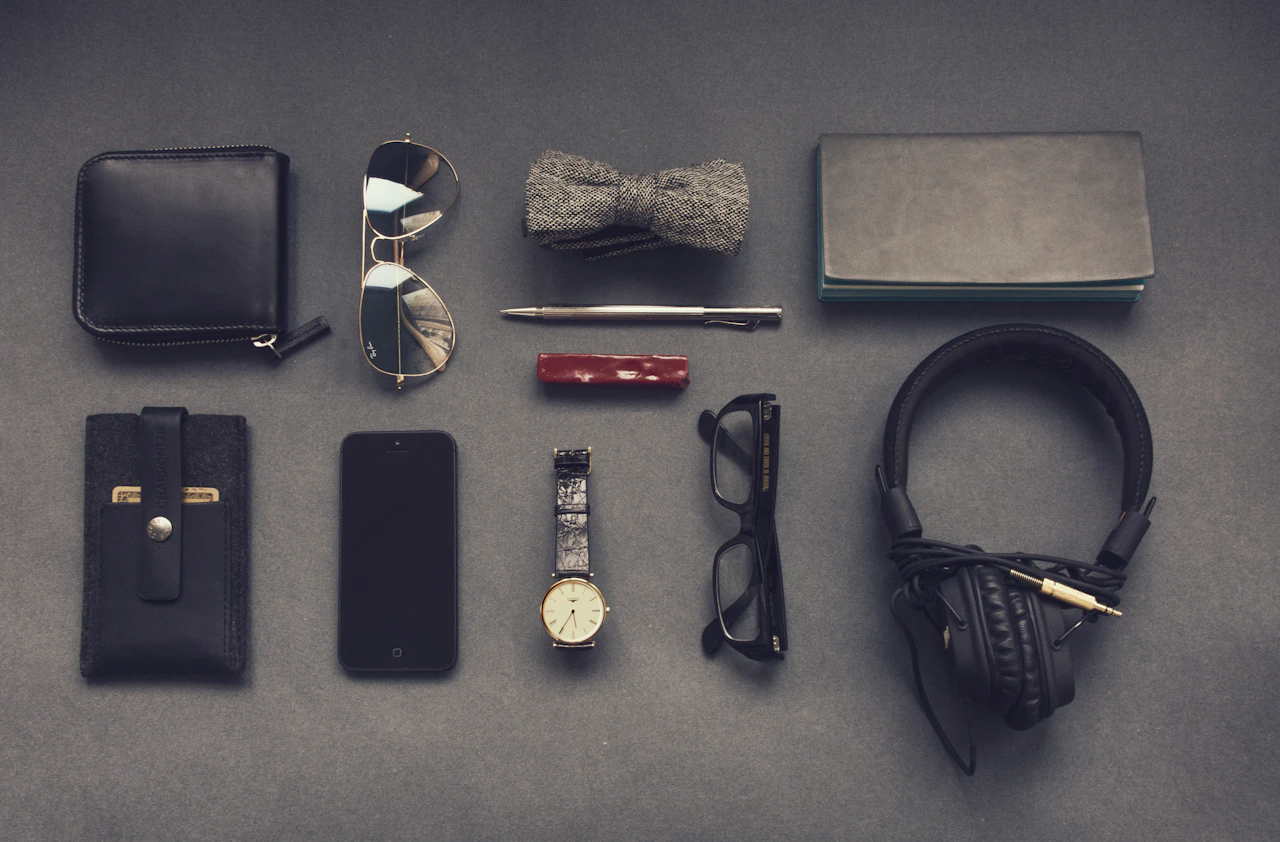
Custom accessories are the secret language between garment and wearer. When a tailored jacket, a made-to-measure shirt, or a bespoke evening dress is paired with the right jewelry, the whole look becomes calibrated — every lapel, neckline, and seam sings. This guide shows you how to choose custom accessories that perfectly complement tailored outfits for work, weddings, travel, and everyday capsules. Expect hands-on steps, visual rules you can test in front of a mirror, sourcing tips, and real-world examples from micro-retail and bespoke-makers.
Why Custom Accessories Matter with Tailored Outfits
The craft match: tailoring and jewelry as a single system
Tailoring and jewelry are crafts that share a vocabulary: proportion, balance, finish, rhythm. A structured blazer creates planes and edges; a necklace or brooch negotiates those edges. Think of jewelry as micro-architecture for the body — when it’s custom-made to interact with a garment’s silhouette, it resolves visual friction and creates a composed silhouette. For inspiration on how small, high-quality pieces influence a wardrobe, see how celebrity-favored Parisian accessories set the tone for simple, elegant looks in our piece on Small Luxuries: How Celebrity-Favored Parisian Accessories Can Inspire Your Jewelry Wardrobe.
Why made-to-measure jewelry amplifies tailoring
Off-the-shelf jewelry solves many problems, but there are three recurring mismatches with tailoring: scale, clip/attachment conflicts (brooches versus lapels), and finish. Custom accessories let you adapt the length, clasp position, weight, and finish so that a necklace won’t pull at a delicate silk blouse or a brooch won’t distort a structured lapel. For retailers and makers exploring these touchpoints in small physical formats, micro-retail strategies for jewelry sellers show how in-person discovery builds confidence: Micro‑Retail & Hybrid Showrooms: How Gold Sellers Win Local Discovery.
Fashion coordination that scales: from capsule to occasion wardrobe
Custom accessories are scalability tools. A single pair of bespoke cufflinks can lift five tailored shirts; a finely calibrated pendant extends across business and evening wear. Consider accessory decisions as investments in versatility rather than one-off purchases. If you sell or source through pop-ups, plan pieces that answer multiple use-cases at once — a lesson covered in our retail pop-up playbook: Pop‑Up Profitability for Vanity Bags.
How Tailoring and Accessory Design Interact
Silhouette alignment: matching the garment’s lines
Observe the garment’s dominant lines before you pick jewelry. A long, column-like coat needs vertical jewelry (long pendants or drop earrings) to maintain the flow; cropped jackets benefit from horizontal elements like collar chains or shorter necklaces. The principle is simple: reinforce the garment’s strongest axis rather than fight it. Tailors and jewelers often sketch garments and accessory overlays together — try drawing a simple outline and mark where you want focal points to land.
Scale and proportion: how size communicates formality
Scale communicates how formal or relaxed an outfit feels. For business attire, smaller, denser items (studs, thin chains) read as precise and professional. Chunkier, sculptural pieces read modern and bold, best for evening wear or creative industries. A useful rule: when a garment has a lot of visual interest (patterned fabric, pronounced lapel), simplify jewelry. Conversely, if clothing is minimal, let jewelry carry more character.
Finish and texture: metal and fabric conversation
Metals and fabrics should converse. Matte metals play nicely with textured fabrics like tweed; high-polish metals match high-sheen silks. For example, a satin dress pairs naturally with bright, reflective gold or platinum; a matte-wool suit harmonizes with brushed metals or oxidized silver. If you want to explore how fabric seasonality affects styling — especially casual staples like cotton — our Cotton Comeback: Styling Tips offers practical seasonal examples you can adapt to jewelry choices.
Choosing Custom Accessories by Occasion
Work & Business: restraint and signal clarity
At work, jewelry should clarify competence, not distract. Prioritize neatness: secure clasps, low-swing earrings, and slim necklaces that sit within the shirt collar. If you want to make a statement, choose one area — like a single strong ring or a bespoke lapel pin — and keep other pieces minimal. For corporate pop-ups and in-person customer education, check how boutique tech and inventory strategies support consistent styling advice in retail settings: Tech for Boutiques: On-the-Go POS & Inventory.
Evening & Formal: drama with balance
Eveningwear welcomes scale and drama, but balance remains essential. Pair a deep V dress with a long pendant or collar necklace; match a high-neck gown with chandelier earrings and no necklace. If you are planning jewelry for small weddings or micro-ceremonies, think about theme and intimacy — read advanced strategies for intimate celebrations in Micro‑Ceremonies & Live Vows for context on how jewelry signals tone in compact events.
Casual & Travel: durable luxury and multifunction
Travel and weekend looks demand resilience. Choose designs with secure fittings and non-reactive metals. Convertible pieces (necklaces that shorten into chokers, bracelets that become anklets) deliver packing efficiency. If you travel often, review practical fabric and accessory pairings like duffel materials and protective storage options in our field review on weatherproof fabrics: Weatherproof Duffel Fabrics — Water Resistance & Care.
Jewelry Styling Principles: Rules That Actually Help
Color & metal temperature: skin tone and garment palette
Identify the dominant temperature in a look: warm (browns, camel, rust) or cool (navy, slate, black). Match metal temperature to skin and garment. Warm metals (yellow gold, rose gold) complement warm palettes; white gold, silver, and platinum suit cool tones. Neutral outfits provide the most freedom — use them as canvases for metallic contrast.
Mixing metals: when it works and when it doesn’t
Mixing metals has become easier as styling norms relaxed. The smart way to mix is to designate a dominant metal and use the secondary metal as an accent. For instance, choose a yellow-gold necklace and incorporate a silver ring as a deliberate contrast point. Keep finishes consistent (all matte or all high polish) to maintain cohesion.
Layering: hierarchy and focal points
Layering is about hierarchy: the piece closest to the face often becomes the focal point. Start with anchor pieces — the item that must be seen — then add supporting layers that don’t exceed its visual weight. For necklace stacks, keep spacing consistent and vary lengths by 2–3cm to avoid tangles. If you’re hunting stylistic micro-trends like personalized gemstone rings, read about how small engraved pieces become focal anchors in a look: Micro‑Trend Alert: Custom Engraved Gemstone Rings.
Pro Tip: Choose one focal point per outfit — either the neckline, one ear, or one hand. Build supporting pieces so they lead the eye back to that focal point.
Personalized Accessories: Techniques and Decisions
Engraving and personalization: scale and legibility
Personalized engraving is beautiful when legible and placed where it reads at a glance. For rings and bracelets, engrave a meaningful motif or initials; on pendants, choose shallow engraving so the piece reads from a distance. Custom engraving also affects resale and care — discuss depth and finish with your jeweler so the mark survives cleaning.
Gemstone selection: tone, hardness, and proportion
Gemstones introduce color, symbolism, and wear concerns. Hardness matters: softer stones (opal, turquoise) require protective settings for everyday wear, while sapphires and diamonds are more travel-friendly. Select gemstone sizes that match the garment’s visual weight: a strong shoulder or statement sleeve can carry a larger stone without feeling out of balance.
Sustainable choices and repairability
Custom pieces should be designed for longevity. Choose alloys that are repair-friendly and request documentation about metal sourcing or recycled content. Brands that emphasize repairability and sustainable packaging are increasingly trustworthy partners — read how repairability and packaging influence consumer trust for ideas you can ask your jeweler about: Repairability & Sustainable Packaging.
Styling Tailored Outfits for Each Accessory Type
Necklaces: neckline-by-neckline rules
Match the necklace length with the neckline shape. For crew necks, choose short chains or statement chokers; for V-necks, pendants that echo the V work best; for open square or scoop necklines, layered chains or a single mid-length pendant are flattering. Think about where the pendant rests relative to the button placket or seam to avoid visual clashes.
Earrings: face framing and collar interactions
Earrings frame the face and can read differently against collars. High collars ask for drop earrings or studs; open collars pair well with small hoops or chandeliers. Consider hair: short hair makes a stronger canvas for statement earrings, while pulled-back hair elevates the visibility of studs and ear stacks.
Bracelets & Watches: sleeve length and wrist chemistry
Sleeve length dictates bracelet visibility. Three-quarter sleeves and rolled cuffs expose bracelets best; long sleeves call for slimmer bands or watches that tuck beneath the cuff. For formal shirts, cufflinks are the primary accessory; bracelets on the wrist need to coordinate with metal tones on rings and watches for coherence.
Comparison table: accessory types and tailored pairings
| Accessory | Best Tailored Pairings | Scale & Proportion | Material Tips | Styling Quick Tip |
|---|---|---|---|---|
| Necklace | V-neck dresses, button shirts, blazers | Short for high necks; long for long columns | Gold for warm fabrics, silver for cool fabrics | Match pendant length to seam or button line |
| Earrings | Sleeveless tops, blazers, high-neck dresses | Studs for business; chandelier for evening | Choose hypoallergenic posts for daily wear | Coordinate with collar height |
| Bracelet / Watch | Rolled sleeves, three-quarter sleeves | Thin bands under formal cuffs; stacked for casual | Solid links resist snagging; leather for casual | Balance wrist pieces with cufflink weight |
| Brooch / Lapel Pin | Structured blazers, coats, sarees or draped jackets | Proportional to lapel size; avoid over-long pins | Use pins with safe clasps to protect fabric | Place at the widest part of the lapel |
| Ring | Sleeve lengths that show the hand; cocktail dresses | Delicate for daytime; statement for evenings | Choose durable settings for travel rings | Let one hand be focal — don’t over-stack |
Bespoke vs Made-to-Order vs Off-the-Shelf
Understanding the processes and timelines
Bespoke jewelry is a ground-up design with full patterning and multiple fittings; made-to-order modifies a base pattern to your preferences; off-the-shelf is instantly available. Timelines: bespoke 4–12+ weeks, made-to-order 2–6 weeks, off-the-shelf immediate to 2 weeks. Choose according to urgency and budget.
Pricing and value: what impacts cost
Labor, metal weight, gemstone grade, and finish drive price. A custom clasp and engraving will add cost but increase lifetime value. For small retailers and makers, setting transparent pricing helps conversion — techniques and point-of-sale tools are covered in our boutique tech overview: Tech for Boutiques.
When to choose bespoke vs made-to-order
Choose bespoke for one-of-a-kind heirloom pieces and when fit and ergonomics are critical (like a new clasp design or integrated brooch-lapel system). Made-to-order is ideal for semi-custom collections where you change metal, stone, or engraving. Off-the-shelf is fine for trend-driven items or travel essentials.
Practical Measurement & Fitting Guide
Measuring for necklaces and chokers
Use a soft tape measure around the neck at the desired resting point. For chokers, measure snugly where the fabric will sit; for pendants, measure from the base of the throat to the pendant’s ideal resting point. Take three measurements (snug, comfortable, and loose) and share them with your jeweler for adjustable clasp recommendations.
Checking clip and pin pressure for lapel hardware
Brooches and lapel pins can create stress on structured fabrics. Test pin pressure by using mock weights (a small coin in a safety pin fix) to approximate load and observe any puckering. For delicate fabrics, ask your jeweler about softer backing or fabric guards to prevent holes.
Bracelet and ring sizing for layered looks
Measure bracelets over the sleeve if you intend to wear them that way. For rings, measure finger circumference at the widest time of day (usually later afternoon). If you plan stacking, size slightly looser to allow for comfort across multiple rings.
Care, Longevity, and Travel Tips
Daily care routines and cleaning
Wipe jewelry with a microfiber cloth after wear to remove oils and perspiration. Store pieces individually to prevent scratches and avoid chemical exposure (perfume, lotion). For pieces with soft stones, remove before cleaning and request professional cleaning frequency from your jeweler.
Packing jewelry for travel
Use compartmentalized pouches or roll jewelry in soft fabric to avoid tangles. For high-value pieces, carry them in a protective case in your hand luggage. For insights into travel-friendly fabrics and gear, our duffel fabric review offers advice on protective storage while traveling: Weatherproof Duffel Fabrics.
Repair, insurance, and provenance
Register bespoke pieces with photographs and appraisal documents. Discuss repairability up front — a design that allows stone re-setting and link replacement will be easier and cheaper to maintain. For sustainable packaging and repair-forward brand examples, see Repairability & Sustainable Packaging.
Where to Buy and How to Work with Artisans
Finding the right jeweler or bench maker
Ask for process photos, testimonials, and a small portfolio of past bespoke work. Visit local micro-retail or hybrid showrooms to assess tactile quality and craftsmanship in person. Advice for sellers and buyers who operate small physical events is available in our micro-retail field guide: Micro‑Retail & Hybrid Showrooms.
Working with pop-ups and collaborative events
Pop-ups are ideal for testing design concepts and getting immediate customer feedback. When you attend or host a pop-up, bring swatches of fabrics and samples of tailored garments to test jewelry pairings on the spot — practical techniques covered in our pop-up profitability piece: Pop‑Up Profitability.
Sourcing vintage and pre-loved pieces
Vintage can be a source of uniquely proportioned pieces that complement tailored items. Learn to spot textiles and jewelry value at secondhand markets by starting with our guide to garage-sale finds: Unveiling Hidden Gems: How to Spot Value Clothing. Always verify metal and gemstone authenticity before purchase.
Case Studies: Real Outfits & Custom Jewelry Pairings
Case Study 1 — The Micro-Ceremony Bride
Brief: Intimate 30-person ceremony, silk crepe sheath, low back. Solution: a custom Y–pendant that echoed a low-back seam, detachable chain to adapt for the reception, and lightweight studs for dancing. Planning for micro-ceremonies requires adaptability — see event-focused styling in Micro‑Ceremonies & Live Vows.
Case Study 2 — The Corporate Capsule
Brief: Executive with a capsule of tailored suits and shirts. Solution: two pairs of stud earrings (gold and silver), a slim signet ring, and a bespoke set of reversible cufflinks — each designed to mix with both navy and charcoal fabrics. Retailers can replicate capsule strategies at demo days and micro-pop-ups — techniques in our shop playbook help: Pop‑Up Profitability.
Case Study 3 — The Traveler’s Convertible Set
Brief: Frequent traveler with packed capsule wardrobe. Solution: a convertible necklace that shortens into a choker, a low-profile signet, and travel-safe stud earrings with secure screw backs. For travel-proof materials, consult our duffel fabric and protective storage advice at Weatherproof Duffel Fabrics.
FAQ — Frequently Asked Questions
Q1: Can I wear mixed metals with a tailored navy suit?
A: Yes. Use the navy suit as a neutral base and pick a dominant metal (say, silver) with small accents in warm metal. Maintain consistent finishes — all matte or all polished — to keep the look intentional.
Q2: How long does custom jewelry take to make?
A: Expect 2–12 weeks depending on complexity. Bespoke pieces with multiple fittings can take longer; made-to-order is usually faster. Discuss timelines before committing.
Q3: What jewelry is best for high-collared tailored shirts?
A: High collars favor earrings (studs or drops) and lapel pins rather than necklaces. For collars with visible button gaps, short chains that sit just below the collar can work if they don’t interfere with buttoning.
Q4: Are engraved gemstones a fad or a lasting trend?
A: Personalization has longevity because it adds meaning. Engraved gems are currently trending in small circles for their intimacy, but choose durable stones and conservative engravings for long-term wear — see the micro-trend discussion at Micro‑Trend Alert.
Q5: How do I protect delicate stones when sewing or tailoring near jewelry?
A: Remove jewelry during alterations. If a piece must be attached (like a decorative brooch), request a protective backing or consult your tailor to add a temporary reinforcement stitch that avoids direct pressure on the setting.
Next Steps: Build a Jewelry-Tailoring Routine
Audit your wardrobe and list gaps
Start by photographing your tailored garments and noting what accessories you already have. Ask: does this blazer need a lapel pin, or would a longer necklace be more useful? A structured inventory helps you prioritize purchases with real purpose.
Test at home: a three-look experiment
Pick three outfits (work, evening, travel) and create two jewelry variations for each. Observe in natural light and photograph each set. Keep the versions you reach for most and consider moving the others to a seasonal rotation or resale.
Visit makers and pop-ups with samples
Bring fabric swatches and photos of the garments to your jeweler. If you’re a retailer or brand, use micro-retail events to validate designs in person — guidance for running effective pop-ups is available in retail and event playbooks like Pop‑Up Profitability and boutique tech resources at Tech for Boutiques.
Final Thoughts
Custom accessories are more than embellishment: they are functional calibrations of a tailored wardrobe. When you design jewelry with proportion, finish, and use-case in mind, you extend the life and versatility of every garment. Use this guide as a working checklist — measure, test, and iterate. If you want a visual starting point for styling and photographing pieces for your collection, see our practical staging ideas in Staging Jewelry Shoots with Everyday Luxury Props.
If you’re sourcing bespoke options or building capsules for clients, don’t forget to factor in repairability and sustainable materials as core decision points — consumers reward transparency and durability: Repairability & Sustainable Packaging. And if you’re experimenting with small engraved stones or collectible rings, our trend analysis may help you decide how permanent that choice should be: Micro‑Trend Alert.
Related Reading
- Small Luxuries: How Celebrity-Favored Parisian Accessories Can Inspire Your Jewelry Wardrobe - How minimal Parisian pieces teach big lessons about longevity and style.
- Staging Jewelry Shoots with Everyday Luxury Props - Practical ideas for photographing jewelry alongside tailored garments.
- Micro‑Trend Alert: Are Custom Engraved Gemstone Rings the New Placebo Luxury? - A closer look at personalization trends in rings.
- Micro‑Retail & Hybrid Showrooms: How Gold Sellers Win Local Discovery - Strategies for in-person discovery and trust-building.
- Tech for Boutiques: On-the-Go POS & Inventory - Tools and processes that support consistent styling advice in retail.


