
Dress for the Occasion: Capsule Wardrobe Essentials for Tailored Fashion
Build a chic, occasion-ready capsule of tailored essentials—fit, fabrics, packing and accessories for consistent style.
Creating a capsule wardrobe that reads tailored and chic for every occasion isn’t about owning more — it’s about owning smarter. This definitive guide walks you through building a compact, highly versatile collection of tailored pieces, how to choose fabrics and fits that span work, travel, evenings and weekends, and the styling systems that keep looks consistent and effortlessly elegant. If you travel often, start with our packing light: minimalist bag options approach; for at-home care, see tips on maintaining loungewear quality that translate to preserving tailored fabrics.
What Is a Tailored Capsule Wardrobe — and Why It Works
Definition: Purpose-built minimalism
A tailored capsule wardrobe contains a limited number of well-made, interchangeable garments cut to flatter your body and serve multiple functions. This isn’t about trends; it’s about choosing structured pieces — blazers, tailored trousers, a white shirt, a classic coat — that form the architecture of every outfit. The goal: maximum outfits, minimal items.
Tailored vs. Ready-to-wear: the difference in longevity
Tailored pieces are designed with proportion, construction and finishing in mind. They resist the seasonal churn that affects ready-to-wear lines. For a philosophy on lasting luxury and attention to provenance — which applies to fabrics as much as to hair or jewelry — consider reading how provenance elevates perceived value in premium goods in our piece on provenance in premium materials.
Practical benefits: time, confidence, cost-per-wear
When your closet is built around reliable tailoring, decision fatigue falls and your cost-per-wear improves dramatically. The psychology behind making smarter wardrobe decisions mirrors principles used in strategic decision-making elsewhere — see parallels in our look at the psychology of wardrobe decisions. The result is consistent style with less stress.
Core Tailored Pieces Every Capsule Needs
1. The single-breasted blazer
Choose a neutral (navy, black, or warm camel) in a drapey wool or wool-blend with structured shoulders and a slightly nipped waist. A blazer anchors work looks, layers with knitwear for weekends, and elevates a pair of dark jeans for dinners.
2. Tailored trousers and a versatile skirt
Invest in two pairs of trousers: one slim, one wide-leg. Add a midi pencil or A-line skirt that hits at the natural waist to alternate formality and silhouette. Neutral tones give the most mix-and-match mileage.
3. The white shirt and a little black dress
A crisp white shirt and a well-cut sheath dress are the most adaptable combination. The shirt plays business-casual and smart-casual roles; the dress converts from daytime to evening with a change of shoes and jewelry.
Fabrics, Weights & Care: Choosing Materials for Versatility
Natural fibres first
Wool, cotton, linen and silk breathe, drape and age predictably. A 100% wool flannel blazer or a mercerized cotton shirt will last longer and look better with repairs than many synthetic-heavy garments.
Considering blends and technicals
Blends (wool with a small percentage of elastane or polyester) can improve wrinkle resistance and movement. For travel-friendly tailoring, consider performance finishes: they retain structure and reduce wrinkling without looking sporty.
Care and longevity
Care routines extend life. Follow specialist guidance for delicate garments, and apply the same maintenance mindset used in other categories: our tutorial on how to rescue and maintain activewear highlights techniques — gentle detergent, low-heat drying, and rapid repairs — that are surprisingly effective on tailored items too.
Fit & Tailoring: The Investment That Changes Everything
How to measure for consistency
Keep a measurement file: shoulders, chest/bust, waist, hip, sleeve length, rise and inseam. A consistent reference reduces returns, speeds up bespoke orders and ensures alterations are incremental, not reconstructive.
Common alterations that transform garments
Small adjustments—taking in a waist, shortening sleeves, tapering trouser legs—alter the silhouette profoundly. A mid-range blazer often needs minimal tailoring; a good tailor will tell you which seams to leave alone for future adjustments.
Bespoke and made-to-measure workflows
Ordering custom pieces benefits from a clear brief, good photos, and a fitting plan. Treat garment-making like other crafts: the same principles behind crafting custom gemstone jewelry — clear communication, iterative adjustments and provenance — apply to tailoring.
Outfit Formulas by Occasion
Work — the power formulas
Formula 1: Blazer + white shirt + tailored trousers. Formula 2: Sheath dress + low pump + minimal jewelry. These combinations are reliable across industries; tweak accessories to signal formality without overcomplicating the core outfit.
Weekend and casual — smart relaxed
Swap the tailored trousers for high-quality denim and add loafers or sleek trainers. Even sports-influenced pieces are crossing into tailored wardrobes — consider how the rise of collectible sports apparel has influenced elevated casuals and pair sparingly for contrast.
Evening and events
One piece—the blazer or the sheath dress—should be able to shift into evening mode. Jewelry and shoes are the quickest dial-changers. For guidance on gifting pieces that double as heirloom accessories, see our personalized jewelry guide.
Travel & Packing a Tailored Capsule
Efficient packing strategies
Start with interchangeable neutrals and a single accent color. Use rolling for soft pieces and folding with tissue for blazers and shirts. Our packing light: minimalist bag options article shows how to prioritize items so you can travel light without losing polish.
Protecting garments while in transit
Use garment bags for blazers and coats and a compact steamer for quick touch-ups. For seasonal trips where weather is a factor, the advice in maximize winter travel helps you layer practically without sacrificing aesthetic.
Adaptable travel formulas
Pack a blazer, a pair of fitted trousers, a white shirt, a knit and a dress. Rotate footwear and jewelry and you’ll cover business meetings, dinners and downtime without overpacking.
Accessories & Jewelry: Small Pieces, Big Impact
Choosing jewelry that works with tailoring
Tailored outfits benefit from jewelry that’s refined and proportionate. Invest in a simple pendant, a pair of studs and a statement watch. For bespoke options or custom commissions that match your wardrobe’s tone, read how artisans approach crafting custom gemstone jewelry.
Protecting and insuring pieces
Store jewelry in soft pouches and a dry place to prevent tarnish. If you own high-value items, strategies similar to those in protecting your jewelry can inform insurance and storage choices.
Belts, shoes and bags — the supporting cast
A structured bag and two belts (black and brown or black and tan) extend your options. Shoes should include a pair of structured pumps or derbies and a clean sneaker for smart-casual days. Consider how the convergence of sport and fashion — explained in how social media shapes fashion trends — influences casual footwear choices.
Shopping & Budget Strategy: Buy Less, Buy Better
Prioritize items for investment
Spend on the pieces that affect every outfit: blazer, coat, trousers and shoes. Lower-stakes items—trendier tops, seasonal skirts—can be rotated more frequently.
Timing purchases and sales
Create your own calendar: buy coats in early spring sales, shirts in mid-season dips. Tools like seasonal price guides for your wardrobe translate well; the same logic salons use for inventory planning applies to smart wardrobe buys.
Retail trends and where to shop
Follow credible retail trend reporting to know when to invest: our piece on trends to watch in 2026 highlights how channels and promotions evolve — knowledge that helps you find quality at the right time.
Maintenance & Longevity: Keep It Looking New
Storage and minor repairs
Use broad-shouldered hangers for blazers, breathable garment bags for seasonal rotation, and a small sewing kit for button and seam repairs. Little fixes prevent major replacements.
Laundering, steaming and professional care
Follow labels. Some tailored wool items should be brushed and aired rather than laundered frequently. For resilient day-to-day care, techniques used to rescue and refresh activewear — gentle detergents and cold water — reduce stress on fibres.
Home environment and display
Light, humidity and dust affect fabrics. Innovations in ambient lighting and smart home systems can protect colour and texture; see how ambient lighting innovations are used to create preservation-friendly spaces.
Case Studies, Trends & Pro Tips
Case study: The 10-piece business capsule
Example mix: navy blazer, camel coat, white shirt, black sheath, navy trousers, grey knit, dark denim, loafers, leather tote, silk scarf. Rotate accessories to double outfit count in under five minutes.
How culture and social channels shape tailoring
Social media has accelerated crossovers between athletic and tailored looks; the viral moments dynamic pushes brands to produce hybrid garments that read athletic but fit tailored wardrobes.
Pro Tips
Invest in one tailoring appointment per season — small tweaks keep silhouettes current. Follow the craftsmanship approach of jewelers and artisans: attention to proportion and finish is what separates good from great.
Detailed Comparison: Five Core Tailored Pieces
| Piece | Typical Fabrics | Formality | Year-round? | Care & Cost Notes |
|---|---|---|---|---|
| Single-breasted Blazer | Wool, wool-blend, linen (summer) | Casual to formal | Yes (lighter or lined) | Tailoring recommended; mid-high cost; dry-clean or gentle brush |
| Tailored Trousers | Wool, gabardine, cotton | Work to semi-formal | Mostly (layer in winter) | Press after wash; avoid high-heat drying |
| White Shirt | Poplin cotton, twill | Casual to formal | Yes | Machine wash cold; iron while damp; low cost-per-wear |
| Sheath / Little Black Dress | Crepe, wool blend, silk blend | Day to evening | Depends on weight | Dry-clean or gentle wash; staple evening piece |
| Overcoat | Wool, cashmere blends | Formal to casual | No (seasonal) | High cost but long life; store on wide hanger |
Frequently Asked Questions
1. How many pieces should a tailored capsule contain?
Start with 8–12 core items (outerwear, blazer, 2 bottoms, 2–3 tops, 1 dress, 2–3 footwear), then add 3–5 accessories. The precise number depends on lifestyle and climate.
2. Can I include casual staples like sneakers?
Yes. Including clean, minimal sneakers lets you dress down tailored pieces for smart-casual looks. Balance proportion: keep sneakers streamlined, not chunky.
3. How often should I tailor items I buy off the rack?
Expect to tailor new structured pieces once: sleeves and hem are common. After that, seasonal minor tweaks are normal. Small tailoring investments extend the life and versatility of garments.
4. What’s the best way to maintain colour and fabric over time?
Store out of direct sunlight, rotate wear, and use gentle cleaning methods. For high-value items, consider professional conservation tips, and use breathable storage solutions.
5. How do I choose jewelry that complements a tailored capsule?
Limit to a few signature pieces with consistent metal tones. For ideas on mixing personalization with longevity, our personalized jewelry guide explains how to choose pieces that work day-to-night.
Bringing It Together: Your Action Plan
Week 1: Audit what you own. Remove items that don’t fit or match your tallest priorities. Week 2: Measure and visit a tailor for essential tweaks. Week 3: Invest in one high-priority piece (blazer or coat) and one quality shoe. Cross-check sales with seasonal price guides for your wardrobe to buy strategically.
Trends matter but proportion and fit endure. Watch how culture and content shift fashion — from the viral moments that influence casual-wear to the considered craft described in provenance in premium materials. Combine that awareness with practical maintenance and tailored fit and your capsule will deliver consistent, chic results.
For further inspiration on mixing prints thoughtfully (useful if you favor patterned scarves or modest wear layering), see our guide on mixing patterns in modest wear. If you’re curious how sports apparel and collectible pieces are reshaping casual tailoring, review the rise of collectible sports apparel and how it informs modern hybrids.
Related Reading
- Ace Your Look with the Perfect Tennis Attire - A short guide to sporty tailoring cues that crossover into casual tailored looks.
- Exploring California's Art Scene - How art retreats influence color and silhouette inspiration.
- Library of Golden Gate: Travel Resources - Practical guides for building travel wardrobes and reading city dress codes.
- The Power of Microcations - Short getaways as a method to test a travel capsule in real life.
- Living in the Moment: Meta Content - How authenticity in content can guide personal style decisions and wardrobe narratives.
Related Topics
Evelyn Hart
Senior Editor & Tailoring Advisor
Senior editor and content strategist. Writing about technology, design, and the future of digital media. Follow along for deep dives into the industry's moving parts.
Up Next
More stories handpicked for you

Customizing Your Tailoring Experience: The New Age of Bespoke Services

Creating a Tailoring Directory: How Local Listings Can Boost Your Business

Enhancing Customer Experience: The Role of Personalization in Modern Tailoring

Eco-Friendly Fabrics: The Best Sustainable Choices for Tailored Wear
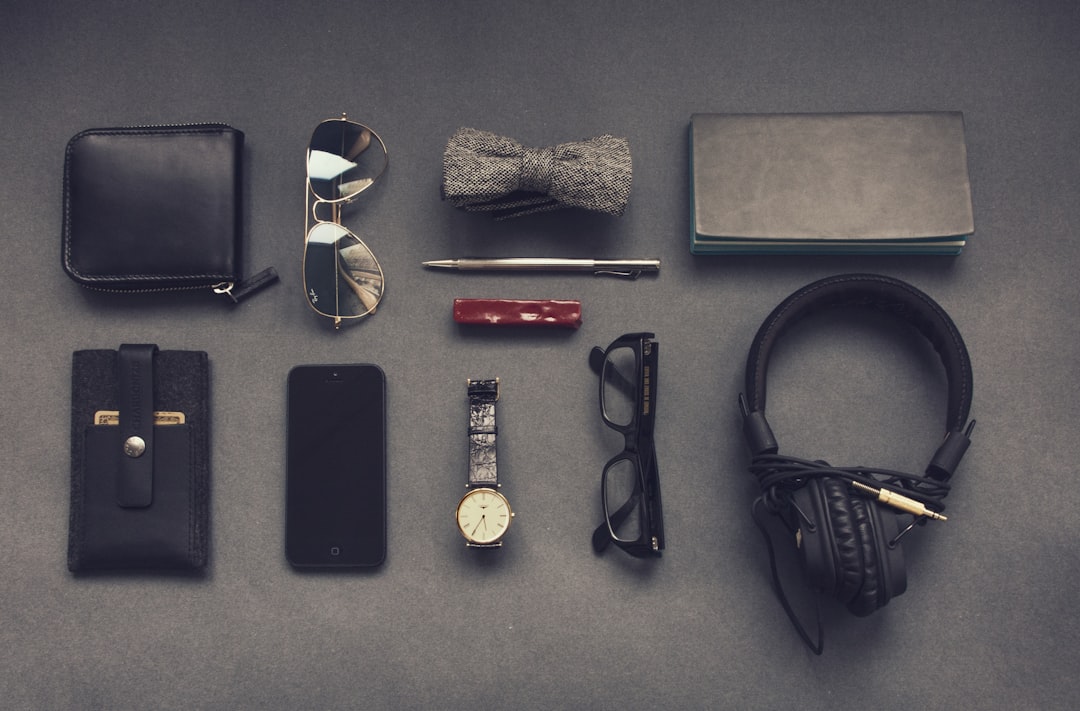
Adapting to Trends: Custom Accessories to Enhance Your Tailored Outfits for 2026
From Our Network
Trending stories across our publication group

Condo Living: Essential Wardrobe Pieces for the Urban Lifestyle

From Ring to Runway: UFC-Inspired Costume Trends for Fight Night

Top Tips for Shopping Sustainable Party Dresses Online: Avoiding Returns

Renovating in Style: How to Budget for Home Upgrades Without Sacrificing Taste

Lessons from Retail: How Successful Clothing Brands Are Adapting to Enhance Customer Experiences
