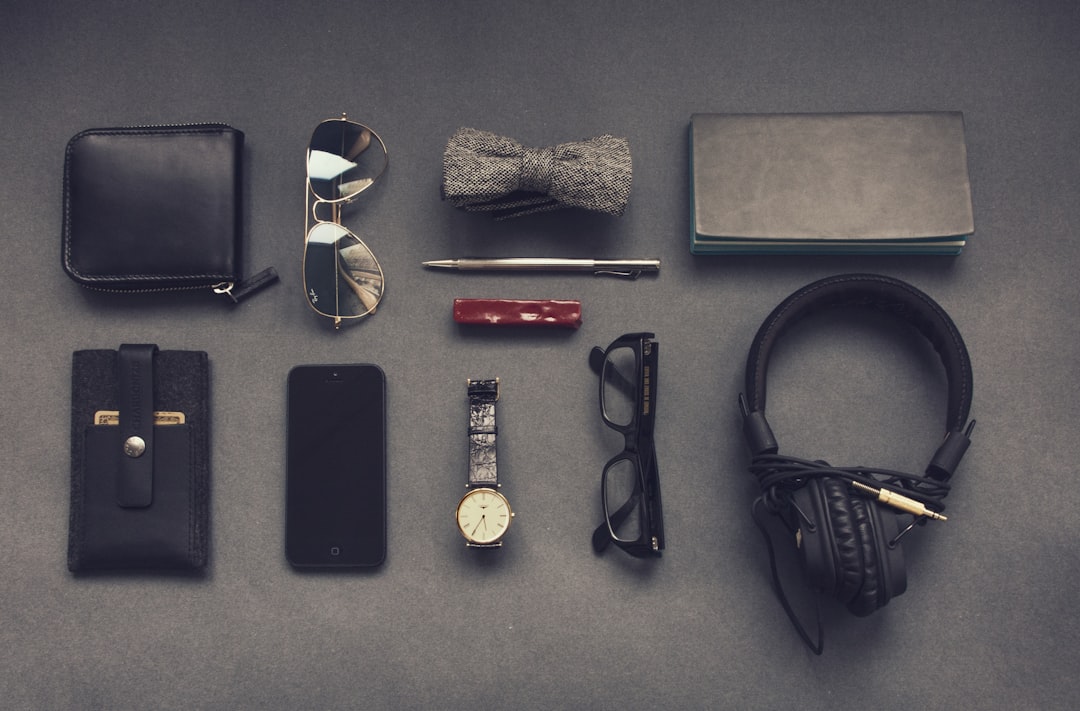
Dressing for the Occasion: Outfits for Every Style Inspiration
Definitive style guide: tailored outfits, occasion-specific looks, capsule wardrobe strategies and practical tailoring advice for modern dressing.
Dressing for the Occasion: Outfits for Every Style Inspiration
Learn how to choose tailored outfits and versatile pieces, mix current fashion trends with timeless items, and build a capsule wardrobe that delivers event-appropriate wear every time.
Introduction: Why intentional occasional dressing matters
Dressing for the occasion is more than following a dress code—it's a deliberate practice that balances fit, fabric, context and personal expression. Whether you're aiming for a power suit at work, relaxed polished looks for travel, or a thoughtful outfit for a date night, getting the basics right reduces decision fatigue and increases confidence. For example, many travelers report feeling more present on trips when their clothing prioritizes both practicality and style; see how the balance of comfort and style when traveling creates a blueprint you can adapt to daily life.
This guide uses real-world tailoring techniques and trend-aware advice to give you outfit inspiration, occasional dressing strategies, and step-by-step fit instructions. We'll highlight surprisingly versatile garments—like tailored jeans and hybrid blazers—and turn them into reliable building blocks of a capsule wardrobe.
Core principles of occasional dressing
1. Start with context, not impulse
Always assess the occasion: venue, weather, company and whether photos are likely. Context determines formality, which then dictates fabric weight and level of tailoring. For instance, a rooftop networking event calls for smart-casual tailoring, while a morning seminar usually benefits from mid-weight suiting or high-quality knitwear.
2. Prioritize fit and proportion
A perfectly fitted simple garment will outperform an ill-fitting luxury piece. Tailoring—hemming trousers, tapering sleeves, adjusting waistlines—transforms standard items into signature pieces. If you need a primer on fitting specific tops for an athletic silhouette or blousy textures, consult specialized resources like our piece on game-day blouse fit tips for targeted examples on shaping and support.
3. Make versatility your baseline
Choose key pieces that cross multiple contexts: a neutral blazer, a pair of tailored jeans, a polished leather loafer. These items let you move between casual, creative and business settings with minimal swaps. Thinking about long-term value and durability helps too—explore how timeless pieces hold their utility over seasons and how you can apply the same thinking to clothing investments.
Capsule wardrobe: a practical foundation
What to include in a 25-piece capsule
A healthy capsule covers casual, work and event wear. Core items: 1 neutral blazer, 2 tailored bottoms (including tailored jeans), 3 quality tops (one button-down, one lightweight knit, one silk or satin blouse), 2 outer layers, 2 pairs of shoes (smart-casual and formal), 3 accessories (belt, watch, signature jewelry), and seasonal extras. Keeping the capsule modular simplifies outfit creation for specific occasions.
How trends fit into a capsule
Trends should be applied as accent pieces—scarves, a seasonal jacket, or jewelry—rather than capsule fundamentals. For example, if oversized tailoring is trending, buy one trending blazer and pair it with your established staples. For trend forecasting and how that intersects with bespoke jewelry, see our coverage of gemstone trends and vintage jewelry cues and the evolving pathway in the future of custom jewelry.
Case study: A 3-piece day-to-night switch
Start with a tailored jean, crisp white shirt and neutral blazer. Daytime: roll the sleeves, pair with loafers and a crossbody. Night: swap to heeled ankle boots, add a statement earring and a contrasting belt. This switchable formula is efficient for travel and tight schedules—an important strategy when preparing for last-minute itineraries or meetings.
Occasion-by-occasion outfit inspirations
Casual weekend (coffee, brunch, errands)
Outfit formula: tailored jeans + elevated tee or knit + lightweight jacket + comfortable sneakers or loafers. Tailored jeans are the MVP here—they read polished while keeping comfort intact. To amplify the look, layer a structured coat over a soft knit. If you want tech-friendly outfit ideas for modern dates or casual meetups, check our note on tech for modern dates to merge clothing with small accessories like sleek phone cases or discreet wearable chargers.
Work / Business Casual
Outfit formula: smart blazer, tailored trousers or dark tailored jeans, low-heeled shoes. Keep proportions clean: fitted blazer, slightly tapered trousers. Add a watch and a slim leather portfolio for presentations. To position yourself professionally online and offline, balance your look with intentional personal branding techniques discussed in our piece on building a cohesive personal style online.
First date / Evening out
Outfit formula: single-tone outfit (monochrome or tonal) with one standout accessory. A wrap dress or a slim tailored jean with a silk blouse works well. Avoid over-accessorizing; let one element—shoes or jewelry—anchor the look. If you like combining functional tech with style, see how small devices integrate into looks in our tech for modern dates piece.
Wedding or formal event
Outfit formula: tailored suit or evening dress in a refined fabric (wool, silk, or high-quality blends). Make sure hems and sleeve lengths are perfect—book a fitting at least two weeks beforehand. For jewelry pairing and custom pieces that echo the event's tone, reference the discussion on custom jewelry and gemstone trends which highlight how to choose stones and metals for formal wear.
Game day and spirited events
Outfit formula: team-color accents + comfortable layering. Use the game-day crowd to experiment with playful silhouettes, but prioritize breathable fabrics and easy layering for sudden weather changes. For fit-focused tips that make casual tops flatter, consult game-day blouse fit tips which apply to many spirited-event tops.
Outdoor adventure and eco-conscious excursions
Outfit formula: technical base layers + weather-appropriate outerwear + durable footwear. Prioritize materials that dry quickly and resist odor. If sustainability is a priority, take cues from eco-conscious travel principles: our guide on eco-conscious outdoor adventure tips gives lightweight strategies for reducing footprint while staying comfortable and stylish outdoors.
Costume or theme events
Outfit formula: choose one anchor piece (a statement jacket, corsetry, or period-inspired blouse) and tailor supporting pieces to it. Inspiration can be found in theatrical retailing ideas like those in costume-driven style inspirations—use theatrical techniques for texture, silhouette and dramatic effect while keeping wearability in mind.
Tailored garments and surprisingly versatile pieces
Why tailored jeans work
Tailored jeans bridge the gap between casual and smart. By adjusting waist fit, tapering the leg, and controlling hem length, the same denim can function in a meeting or a weekend dinner. Consider mid-weight selvedge or stretch-denim blends for structure without sacrificing mobility. In practice, a tailored jean with a blazer becomes a more contemporary substitute for dress trousers in many creative industries.
Hybrid blazers and unconstructed jackets
Unconstructed or hybrid blazers (lightweight canvasing and no shoulder pads) deliver a relaxed silhouette while maintaining structure. They are travel-friendly and pair perfectly with tailored jeans. For those investing in versatile tailoring, small tech tools and gadgets for craft and fitting—covered in our smart gadgets for crafting and tailoring review—can help you maintain professional finishing at home.
Invest in a well-fitting trench or coat
A classic trench or wool coat instantly elevates most outfits and offers weather protection. Fit through the shoulders is the priority: a coat that's roomy enough to layer yet tailored enough to keep a clean line will serve across seasons and occasions. Use good lighting during fittings to assess fall and drape; our DIY lighting guide, lighting for fittings, explains how directional light reveals hidden fit issues.
Fabric, care, and longevity
Choosing the right fabric for the occasion
Match fabric to activity and climate. Wool and wool-blends work for formal and transitional weather; cotton or linen suits are ideal for warm climates; technical synthetics shine for active or travel contexts. For jewelry, metal and stone choices influence durability and maintenance, informed by our exploration of gemstone trends.
Care and maintenance basics
Long-lasting garments need correct storage, routine cleaning and minor repairs. Learn spot-cleaning, pressing techniques and when to call a professional. Our guide on care and maintenance guidelines outlines preservation tactics that translate well to clothing and accessories.
When to alter versus replace
Alter when the core fabric and construction are good and the style is timeless; replace when fabric has degraded, technology or functionality no longer fits your life, or the piece is beyond a reasonable alteration cost. Avoiding impulse buys and common pitfalls can protect your budget—refer to lessons from shopping mistakes to avoid that apply when chasing sales over fit.
Accessories & jewelry: finishing with intention
Choosing statement vs. subtle jewelry
Use statement jewelry to anchor a minimalist outfit; pick subtle pieces when the outfit already has texture or pattern. For custom or heirloom options, see trends identified in the future of custom jewelry and apply vintage cues from gemstone trends.
Belts, shoes and bags: scale and color
Match belt width to lapel width and shoe formality to event tone. Bags should be sized to purpose: compact for evenings, structured medium for work, and soft totes for weekends. Consider investing in one high-quality bag and rotating it with seasonal choices inspired by budget strategies in luxury beauty on a budget—the same principles apply to accessories.
Styling with scarves and layering
Scarves can salvage an outfit, add pattern or bring warmth without bulk. For themed occasions, look to nontraditional sources like astrology-inspired looks like the Gemini signature to spark color and motif choices that still read cohesive.
Shopping, tailoring and working with professionals
How to brief a tailor
Bring reference photos, explain the occasion, and state mobility needs. Ask for temporary basted fittings before final adjustments and request clear timelines and costs. Service industries share similar client management challenges; you can borrow best practices from other fields, like service tips from salon pros, to set expectations and ensure a smooth outcome.
Tools and small tech for home alterations
At-home hems and simple adjustments can be improved with the right tools: a quality seam ripper, tailor's chalk, clapper for pressing, and a small steam iron. For power tools and gadgets that help makers and hobbyists, our review of smart gadgets for crafting and tailoring includes portable devices that modernize small tailoring tasks.
Budgeting and avoiding post-purchase regret
Set a clear budget for purchase plus alterations. If an alteration approaches 20-30% of the item's price, weigh whether a higher-priced, better-fitting item is a smarter investment. For shoppers prone to impulse buys during sales, read up on lessons in shopping mistakes to avoid to build a shopping discipline that protects your capsule's integrity.
Packing, quick fixes and travel-friendly strategies
Packing a versatile travel wardrobe
Limit colors to a 2–3 tone palette, fold smartly to avoid creasing, and include a small emergency kit: thread, needle, fabric tape and a collapsible steamer. Combine pieces so that three bottoms pair with five tops—this ratio gives 15 outfits from eight items. Travel-ready tailoring techniques let you adapt outfits day-to-night with minimal luggage; see how travel comfort and style intersect in the balance of comfort and style when traveling.
Emergency style kit: quick fixes
Include clear nail polish (runs and snags), a small lint roller, a sewing kit, fabric tape and a stain stick. For lighting and inspection during quick hotel-room touch-ups, follow tips in lighting for fittings so you can evaluate fit accurately under different light sources.
Last-minute outfit decisions
If you must decide quickly, default to a well-fitting neutral base and add either a bold accessory or a signature sock to showcase personality. Prioritize comfort for confidence—it's better to feel good than to follow a trend blindly. Remember to protect skin and grooming; practical beauty advice mirrors our budget-conscious approach in luxury beauty on a budget.
Comparison: Versatile garments for occasional dressing
Use this quick reference when deciding what to buy or tailor next. The table compares five highly versatile garment types and helps you choose the best fit for your lifestyle.
| Garment | Formality | Versatility (1-5) | Key Fit Points | Care & Longevity |
|---|---|---|---|---|
| Tailored jeans | Casual to smart-casual | 5 | Waist, rise, hem length | Machine wash cold, air dry; re-sew hems as needed |
| Unconstructed blazer | Smart-casual to business casual | 5 | Shoulders, chest, sleeve length | Dry clean or gentle steam; store on wide hanger |
| Wool trousers | Business to formal | 4 | Seat, crotch depth, hem | Dry clean; press with steam |
| Silk blouse / shirt | Casual to formal | 4 | Shoulder seam, torso length | Hand wash or delicate cycle; steam to remove wrinkles |
| Trench coat / wool coat | Casual to formal outerwear | 5 | Shoulders, sleeve length, body ease | Spot clean; professional cleaning annually |
Pro Tip: If you can only tailor one item that will change your wardrobe dynamics, choose the item you wear most for social or professional settings—often a blazer or pair of jeans. Strategic tailoring yields the highest return on investment.
Putting it into practice: workflow for creating an event-ready outfit
Step 1: Assess the invitation and context
Determine the formality, expected weather and activities. If the event is outdoors, prioritize breathability and layers. Use this to eliminate 50–70% of outfit options quickly.
Step 2: Pick the anchor piece
Choose one standout item (blazer, dress, coat) and build around it. The anchor's color and texture will dictate accessory choices and shoe formality.
Step 3: Finalize fit and comfort checks
Do a movement test: sit, raise arms, walk stairs. Confirm nothing binds or gaps. If tailoring is needed, request a basted fitting and explain mobility requirements to your tailor.
Resources and inspiration beyond outfits
Grooming and presentation
Presentation includes grooming and how your clothing meets the camera. Simple grooming routines and product choices help elevate outfits; explore budget-conscious beauty strategies in luxury beauty on a budget.
Creative inspiration sources
Find unexpected inspiration in art, astrology, or theatre—use the mood and translate it into color and texture. For playful motifs and personality-led curation, see astrology-inspired looks like the Gemini signature and theatrical ideas in costume-driven style inspirations.
Long-term style strategy
Create a shopping plan that replaces fast fashion with curated investments. Build relationships with local tailors and small makers, and use consistent documentation—photos of fits and notes—to avoid repeat misfits. Many service-oriented businesses use similar feedback systems; see best practices from service pros in service tips from salon pros for client communication models you can adapt.
FAQ
How do I make tailored jeans look formal enough for work?
Choose a dark rinse with minimal distressing and pair with a structured blazer, polished shoes and a crisp shirt. Hem to the correct length and ensure the waist fits without gaping. Small tailoring adjustments—like tapering the leg and shortening the rise—help the denim read smarter. For fit-focused approaches, review our tailoring technology suggestions in smart gadgets for crafting and tailoring.
Can I mix vintage jewelry with modern outfits?
Yes. Use vintage jewelry as an accent to modern silhouettes—one heirloom piece paired with contemporary tailoring creates a curated look. For guidance on identifying compatible pieces and trends, see gemstone trends and ideas from custom jewelry.
What's the quickest way to fix a hem on travel?
Use fabric tape for a temporary hem and schedule a proper stitch when you return. Keep a small sewing kit in your travel kit for quick hand-stitches. For a short guide on emergency tools, see our packing and fix recommendations referencing lighting for fittings to ensure you can inspect the repair under consistent light.
How much should I budget for alterations?
Basic hems and minor tapering are relatively inexpensive; full tailoring (re-cutting, extensive lining work) costs more. A useful rule: if alterations exceed ~25% of the garment's cost, reassess whether a different piece or a bespoke option is a better long-term investment. Our shopping discipline tips in shopping mistakes to avoid can reduce costly post-purchase regrets.
How do I maintain a polished look while staying sustainable?
Buy fewer, better-quality items; repair rather than discard; and select eco-conscious materials. For practical travel and outdoor choices that reduce environmental impact, see eco-conscious outdoor adventure tips. Sustainable choices often align with longevity and neutral palettes that increase outfit versatility.
Related Reading
- Avoiding Costly Mistakes - Smart buying habits to prevent wardrobe regret during big sales.
- Smart Gadgets for Crafting - Tools that modernize at-home tailoring and small repairs.
- The Future of Custom Jewelry - How bespoke jewelry blends tradition with tech.
- Luxury Beauty on a Budget - Grooming and product strategies that support polished outfits.
- DIY Lighting for Fittings - Improve home fittings with proper lighting techniques.
Related Topics
Unknown
Contributor
Senior editor and content strategist. Writing about technology, design, and the future of digital media. Follow along for deep dives into the industry's moving parts.
Up Next
More stories handpicked for you

Understanding Tailoring: Tips for Finding the Right Professional

Styling Your Custom Suit: Occasion-Specific Outfit Inspirations

The Future of Fit: How Technology is Enhancing the Tailoring Experience

Building the Perfect Capsule Wardrobe with Tailored Essentials