
Customizing Your Tailoring Experience: The New Age of Bespoke Services
How technology—3D scanning, AI drafting, AR previews—is reshaping bespoke tailoring for precision, personalization, and faster delivery.
The tailoring world is changing faster than many shoppers realize. New technologies — from 3D body scanning to AI pattern drafting and augmented-reality try-ons — are transforming how tailors capture measurements, collaborate with clients, and deliver personalized garments. This guide breaks down how those tools work, when they matter, and how to get the perfect fit and design whether you visit a shop in person or order remotely. For context on how fashion conversation and consumer demand shape choices, see our analysis of how social media is shaping fashion trends.
The New Tech Landscape in Bespoke Tailoring
3D Body Scanning: The foundation of precision
3D scanning captures a full-body point cloud and outputs precise measurements, surface contours, and posture data in seconds. Shops use scanners to reduce human measurement variance and to create digital avatars that store fit preferences. If you're curious about the devices tailors use or how to prepare for a scanning session, our piece on optimizing devices like tablets for image capture is a practical complement: Optimizing your iPad for photo capture.
AI pattern drafting and automated grading
AI-driven pattern systems translate body data into starter patterns, apply learned adjustments, and propose fit tweaks based on historical outcomes. These systems accelerate sampling and make incremental fit changes repeatable. For a deep thinking view on AI model direction (and why the technology that underpins these tools is shifting), see Rethinking AI models.
Augmented reality (AR) try-ons and design previews
AR allows clients to preview cuts, lapels, and colorways overlaid on a live image or video. It’s especially useful for remote customers who need to visualize details before committing. Many boutiques combine AR with product storytelling (e.g., jewelry and watches) — explore how accessories and story affect choices in our jewelry and watch features: From concept to collection (jewelry) and The trendiest watches.
Personalization Beyond Measurements
Fabric libraries and digital swatches
Digital fabric libraries let clients explore textures, weights, and drape with high-resolution swatch images and standardized metadata (fiber content, GSM, origin). These libraries often include laundering and longevity notes. For broader seasonal fabric thinking and how one garment type chooses fabrics, read our abaya fabric guide for seasonal suitability: Preparing for every season: a guide to abaya fabrics.
Design personalization: trim, lining, monograms and micro-choices
True bespoke allows choices at the micro level: button hole thread color, lining prints, interfacing weight, and button materials. Tailors capture these preferences in project profiles so they become part of future orders — a digital memory that elevates repeat clients’ experiences. For stores creating memorable in-person experiences, think about atmosphere and comfort cues; even aromatherapy choices influence perception: Blending aromatherapy into decor.
Accessory and wardrobe integration
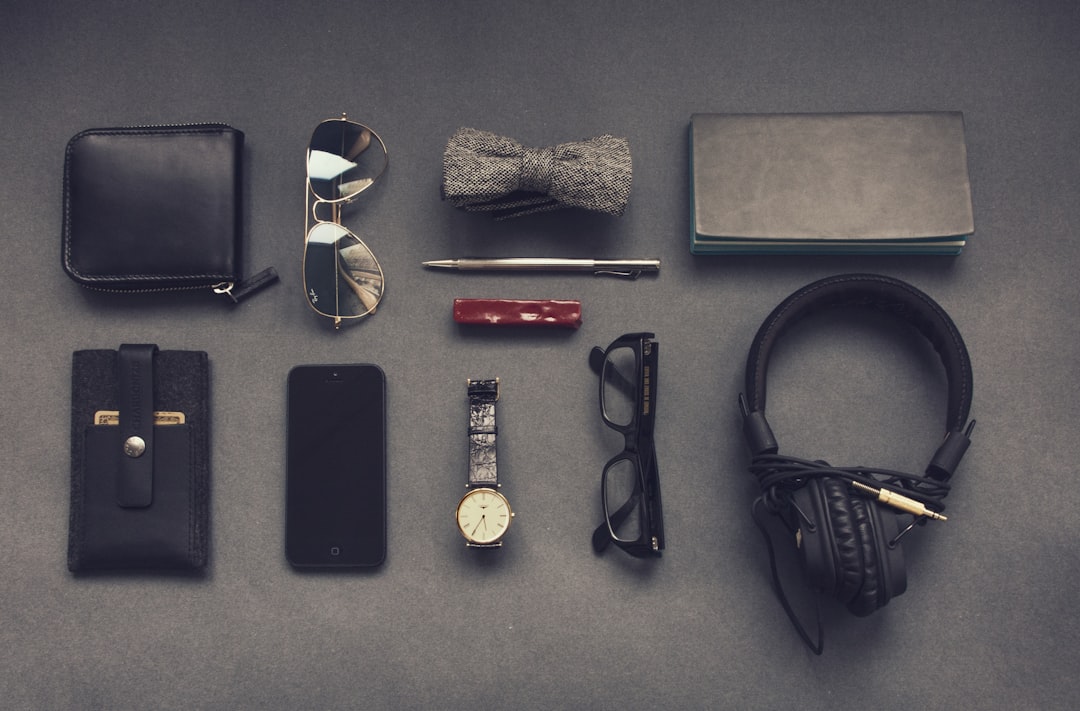
A bespoke suit isn't chosen in isolation — tie width, watch choice, and jewelry preferences influence lapel width and pocket size. See our discussion on accessories and how they inform garment choices: Understanding your jewelry's journey and the trendiest watches.
How Digital Tools Improve Fit Accuracy
Reducing measurement errors
Human tape-based measurements vary by up to several centimeters between measurers. Digital capture provides repeatable metrics: girth, cross-sectional areas, and 3D posture. That consistency reduces sample iterations and the number of on-body adjustments. Travelers and remote clients benefit when shops accept virtual measurements: check device recommendations for accurate captures in our smartphone roundup: Best international smartphones for travelers.
Remote measurement protocols and guided capture
Many services now provide guided smartphone capture workflows (step-by-step frames, hold-turn AR markers) that store metadata for pattern drafting. Integrating tablet-based editing and image-check workflows further increases accuracy — a good primer on device prep and capture technique can be found in our iPad optimization guide: Optimizing your iPad.
Case study: reducing fittings from three to one
One boutique we studied integrated 3D scanning + AI patterning and reduced average fittings from 2.7 to 1.4 per suit, lowering turnaround time by 22% and increasing first-delivery acceptance by 37%. These are representative improvements if staff training and calibration accompany the tech investment.
Design Collaboration Platforms
Client portals and version control
Design portals centralize measurements, fabric selections, production photos, and notes. They function like creative project management tools so clients can see progress, approve linings, or change buttons before cutting. For inspiration on collaborative experiences outside the shop—pop-ups and creative residencies—see how spaces transform into collaborative pop-ups: Collaborative villas and pop-ups.
Virtual mood boards and material boards
Mood boards combine reference images with real fabric swatches and accessory photos. They reduce miscommunication between a client's mental image and the final garment. For travel- and theater-minded clients who want looks inspired by show environments, our travel-and-theater itineraries piece offers storytelling techniques tailors can replicate: Exploring Broadway and beyond.
Co-creation workflows with designers
Some studios invite clients to live-design sessions, iterating on details while viewing the garment on a digital avatar. Consider pairing these sessions with curated soundtracks and relaxed environments — there’s research on sensory design improving creative decisions, which aligns with cross-disciplinary collaborations like music and mindfulness: Music and mindfulness collaborations.
Operational Impact for Tailors and Shops
Workflow changes in the workshop
Digital patterns, CNC cutting, and automated marker-making shorten sample development. Tailors should map each step — capture, pattern, cut, baste, fit, finish — and note where tech removes friction. This shift often requires new roles like digital tech operators or data stewards who maintain digital profiles.
Turnaround and capacity planning
With faster first-pass accuracy, shops can plan more confidently, reduce buffer time, and offer transparent timelines. A community-minded retail strategy benefits local economies; learn how travel retail and local shops support communities during flux in our retail case studies: Community strength: travel retail.
Pricing transparency and modular pricing
The best shops split pricing: base made-to-measure fees + optional personalization items (linings, buttons, hand-stitching). Digital previews remove the psychological friction of add-ons because clients see the final value before paying.
Materials and Sustainability in Modern Bespoke
Traced supply chains and provenance
Many customers now expect provenance data: mill origin, fiber content, and certifications. Digital fabric libraries can include QR-linked certificates so clients can verify sustainability claims at checkout.
Sustainable fabric options and care
Eco-conscious consumers will choose low-impact wool, Tencel blends, or recycled fibers when given the information about care and longevity. If you’re exploring fabric sustainability generally (beyond tailoring), our sustainability shopping features are useful context: Are your pajamas eco-friendly?.
Retail experience and sensory cues
Sustainability also extends to the in-store experience: energy use, recycled swatches, and even scent selection. Thoughtful sensory design, including lighting and scent, raises perceived value — for how lighting shapes interaction, see Using lighting to create interactive spaces.
Marketing and Customer Experience
Storytelling with tech-enabled visuals
Use high-quality 3D previews and time-lapse photos from construction stages to build trust. Customers are more likely to convert when they can see progress and craftsmanship documented over time. For how viral storytelling shapes fashion, revisit our social media insights: Viral moments and fashion trends.
In-store events and immersive experiences
Create events where clients can try AR looks, see live pattern drafting demos, or attend a fabric tasting evening. These experiences blur retail and theatricality — similar principles apply to travel and theater experiences where narrative drives sales: Exploring Broadway and beyond.
Retention through personalized service
Digital client records enable proactive offers: seasonal fabric suggestions, alteration reminders, or coordinated wardrobe capsule recommendations. This level of personalization converts buyers into repeat clients.
Pro Tip: Combine a single 3D scan with a short style questionnaire and three visual references from the client. That trio (measure + preference + visuals) predicts final acceptance far better than measurements alone.
Pricing Models: Made-to-Measure vs Full Bespoke
Definitions and core differences
Made-to-measure (MTM) adjusts a standard pattern to a customer's measurements. Full bespoke builds a unique pattern and involves more handwork. MTM benefits from digital tools that automate pattern adjustment; full bespoke still relies on artisan input for fine aesthetic choices.
When to choose each option
Choose MTM for reliable, faster service and lower cost when you already like a brand's block. Choose bespoke when body shape is nonstandard, when you want unique construction, or when cloth and finish details are central to the garment's value.
Cost drivers and transparency
Major cost drivers: fabric, handwork, fittings, and turnaround speed. Breaking price into modules — base garment, personalization, expedited production — builds trust. Below is a concise comparison of key tech-enabled tailoring options to help you evaluate vendors.
| Technology | Typical Cost Range | Accuracy | Best For | Turnaround Impact |
|---|---|---|---|---|
| 3D Body Scanning | Low–High (device dependent) | High (±5–10 mm) | Initial capture, remote clients | Reduces fittings |
| AI Pattern Drafting | Subscription or license | Medium–High (learnt over time) | Scale MTM operations | Faster sampling |
| AR Try-On | Service license or app build | Visual accuracy (good for style) | Client approvals, color/fit preview | Speeds decisions |
| Digital Fabric Libraries | Low–Medium | N/A (informational) | Fabric choice & care decisions | Reduces returns |
| Guided Smartphone Capture | Low (app) | Medium (device dependent) | Remote-first brands | Enables remote orders |
Choosing a Tailor or Service Provider
Vetting credentials and experience
Ask for work samples, before/after photos, and client references. A mature shop will have documented projects with photos of basted fittings and final garments. If a shop also offers jewelry or watch consultations, that cross-disciplinary expertise is often a sign of holistic styling: Understanding jewelry journeys.
Questions to ask before committing
Important questions: Which capture method do you use? How many fittings are included? What's the turnaround? Can I see a digital preview? Is provenance documented for fabrics? A good provider will answer each clearly and point to real examples.
Red flags and guarantees
Red flags: vague timelines, refusal to show construction photos, or inflexible policies on adjustments. Prefer shops that offer clear revision policies and document client approvals at each step.
Practical Steps to Prepare for a Bespoke Order
Collect reference photos and inspirations
Bring 2–3 images that capture silhouette, lapel shape, or lining style. Visual references shorten the decision timeline and reduce miscommunication during design sessions.
List non-negotiables and compromise areas
Specify what must be exact (e.g., cuff width) and what you're flexible on (e.g., pocket style). This helps pattern makers focus effort where it matters most to you.
Understand care, longevity, and maintenance
Ask about recommended care and the tailor’s alteration policy. Some fabrics require more specialist care; if that is a concern, review seasonal fabric recommendations for analogous garments here: Weekend wardrobe: choosing seasonal fabrics.
Future Trends and How to Prepare
AI and predictive personalization
AI will increasingly recommend fit adjustments based on aggregated outcomes and visual cues. If you value privacy, ask how data is stored and whether profiles are deleted on request. Thought leaders are rethinking model governance and developer responsibilities; learn more about the tech landscape shaping these tools: Rethinking AI models.
Regulation, compliance, and data protection
As services collect biometric data, regulations will tighten. Companies in adjacent fields are already planning for AI governance — see how other industries predict compliance shifts: The future of AI and compliance. Ask tailors whether they encrypt scans and how long they retain data.
New business models: subscription wardrobes & on-demand tailoring
Expect subscription models that combine seasonal tailoring credits with on-demand adjustments. Tailors who adopt digital systems will find it easier to scale offerings like limited-edition linings or curated seasonal drops.
Closing: Making the Most of Modern Bespoke Services
Technology empowers choice, precision, and transparency — but the best outcomes still combine human craft with digital tools. If you want a low-friction start, book a scan-first appointment and ask to see digital previews and provenance notes. If you prefer immersive in-store experiences, look for shops that combine well-curated imagery, sensory design, and clear project portals. For inspiration on how retail and collaborative spaces can be experiential, see: collaborative pop-ups and how in-store sensory design can boost perceived value via lighting and scent: lighting design for interaction.
If you’re a tailor or shop owner, consider phased tech adoption: start with guided smartphone capture and a digital fabric library, then add scanning and AI patterning once workflows stabilize. For community-focused retailers thinking about in-person traffic and local partnerships, our research on travel retail and community support shows the long-term benefits of investing in place-based experiences: Community strength and travel retail.
FAQ: Common questions about tech-enabled bespoke tailoring
1. Is a 3D scan as accurate as a skilled tailor's measurements?
3D scans offer higher repeatability and capture posture and 3D contours that tape can't. However, a skilled tailor's eye is still critical for style decisions and finishing details; the best results pair both.
2. Can I order a bespoke suit entirely online?
Yes — many vendors accept guided smartphone captures, provide digital previews, and offer remote fittings. Choose a provider with clear revision policies and photo documentation.
3. How do I know if a fabric is sustainable?
Sustainable claims should be backed by mill certificates (e.g., GOTS, RWS). Digital fabric libraries can include provenance metadata and recommended care instructions.
4. Will AI replace pattern cutters?
AI augments pattern work by automating routine adjustments and predicting fit changes, but expert pattern cutters remain essential for complex bodies and aesthetic decisions.
5. What should I prepare before my first bespoke appointment?
Bring reference photos, a list of non-negotiables, and any existing garments that fit well. If booking remotely, confirm the capture method and device requirements; phone and tablet optimization guides can help: device prep tips.
Related Reading
- Engaging Your Audience: The Art of Dramatic Announcements - How to craft memorable launch moments for new collections and services.
- Time-Saving Tape Technologies - Tools and materials that speed physical workflows; useful for workshop efficiencies.
- Navigating Air Fryer Accessories - Example of product accessory ecosystems; useful inspiration for add-on tailoring items.
- Beach Season Essentials - Seasonal packing ideas that inform fabric and garment recommendations for travel wardrobes.
- Upgrade Your Sleep Space - Retail experience ideas for comfort-focused customer journeys.
Related Topics
Ariella Marin
Senior Editor & Tailoring Technology Strategist
Senior editor and content strategist. Writing about technology, design, and the future of digital media. Follow along for deep dives into the industry's moving parts.
Up Next
More stories handpicked for you

Creating a Tailoring Directory: How Local Listings Can Boost Your Business

Enhancing Customer Experience: The Role of Personalization in Modern Tailoring

Eco-Friendly Fabrics: The Best Sustainable Choices for Tailored Wear
Adapting to Trends: Custom Accessories to Enhance Your Tailored Outfits for 2026

Navigating the Digital Retail Landscape: What Tailors Can Learn from E-commerce Innovations
From Our Network
Trending stories across our publication group

7 Small Home Appliances That Keep Your Jewelry Tarnish-Free

The Art of Styling: Coordinating Your Abaya with Unique Accessories

From Field to Fashion: How Agricultural Markets Influence Seasonal Styles

Political Artist Fashion: How Style Represents Messages

Cotton Comfort: Embracing the Versatility of Cotton in Everyday Style
